[This is a guest post by Jacob Lundy. He has ten years of law enforcement experience including street crimes, homicide, academy instruction, and consent decree compliance. He wrote this for Copinthehood.com in the hope that Baltimore can learn from what he and the City of New Orleans have gone through. The selective bolding is mine, but what follows is Jacob’s. He writes here as a policy advisor to the New Orleans Fraternal Order of Police.]
An absurdly concise title for a piece tackling one of the most expensive, sprawling, and lately, ubiquitous endeavors most major police agencies will navigate. This question — frequently posed to me by legislators, criminal justice professionals, and citizens — is certainly on the minds of Baltimoreans in recent weeks.
The answer, as you might expect, is not so concise.
I believe the more appropriate question may be “are consent decrees necessary?” My short answer to this questions is, perhaps surprisingly, usually. My assessment should not be taken as a slight to police officers who work tirelessly day and night in Baltimore and elsewhere who may feel that a consent decree is an indictment on your service. Certainly DOJ’s recently published investigation of the Baltimore Police Department was not flattering, but such reports are equally if not more overtly critical of overextended leadership, outdated policies, and political machinations that manifest in the problems documented by Justice.
Consent decrees are a mixed bag, to be sure; I believe the real debate lies in how long they should last, how invasive they should be, and how compliance teams, officers, and Justice might get started as collaboratively as their relationship will eventually become. Below I have tried to outline some of the most salient matters facing Baltimore police officers.
In my view, two major problems lead to the conditions we see facing police in major American cities today. First and foremost is the ever growing list of social problems shifted onto the backs of law enforcement. We are a country obsessed with fighting symptoms rather than tackling root causes, and nowhere is this phenomenon more visible than the front seat of a police car. Guns, healthcare, schools, drug addiction, economics, mental health — all of these have been relegated to law enforcement with little notice.
Secondarily, policing will always be a series of competing priorities, especially as agencies continue to be pulled in so many directions. A cop in one neighborhood equals a void in another. A cop tied up with paperwork is a cop not engaged in crime abatement. Forty cops attending in-service training means forty empty police cars. On a larger scale, one million taxpayer dollars invested in a police behavior early-warning system results in a tangible deficit in overtime patrols. This is clearly a zero-sum game, which naturally dictates where precious resources are directed.
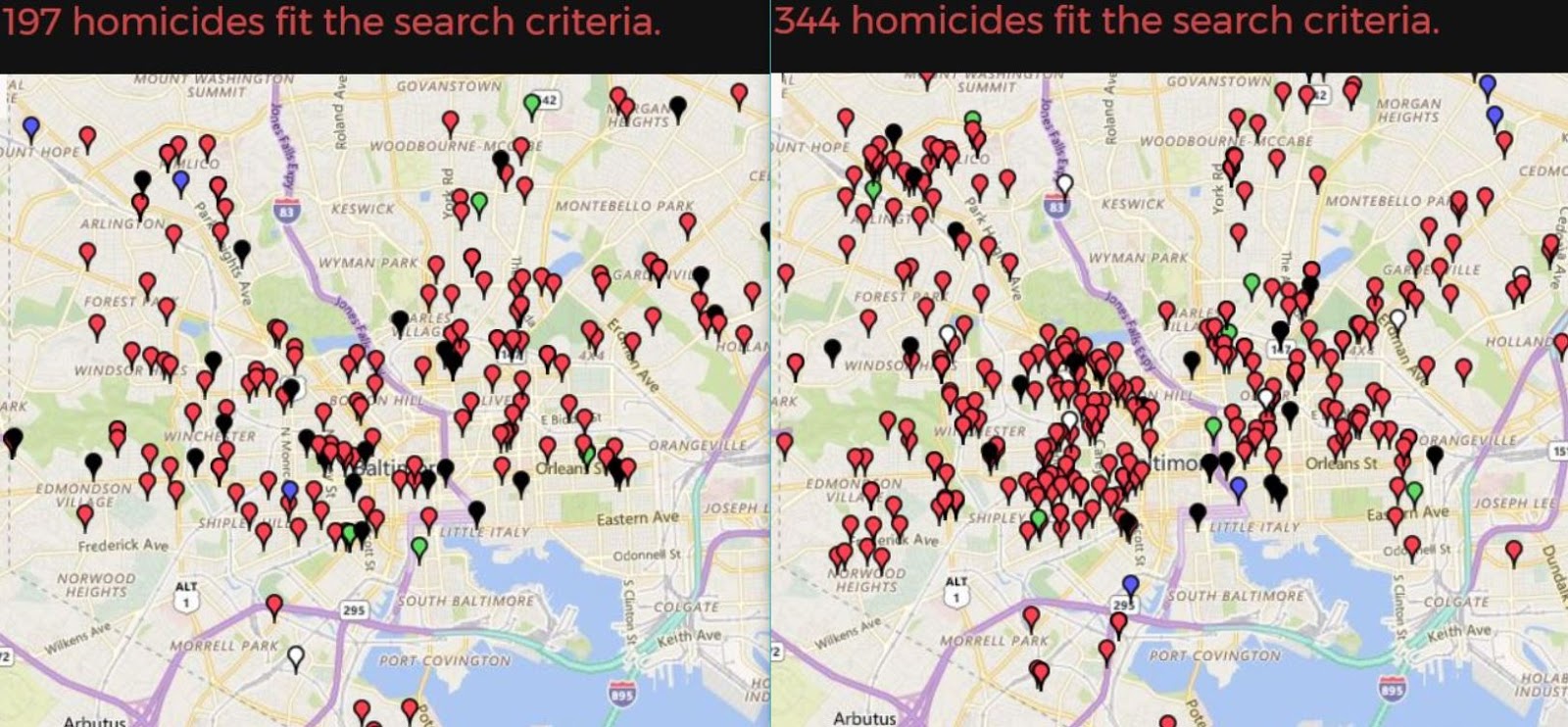
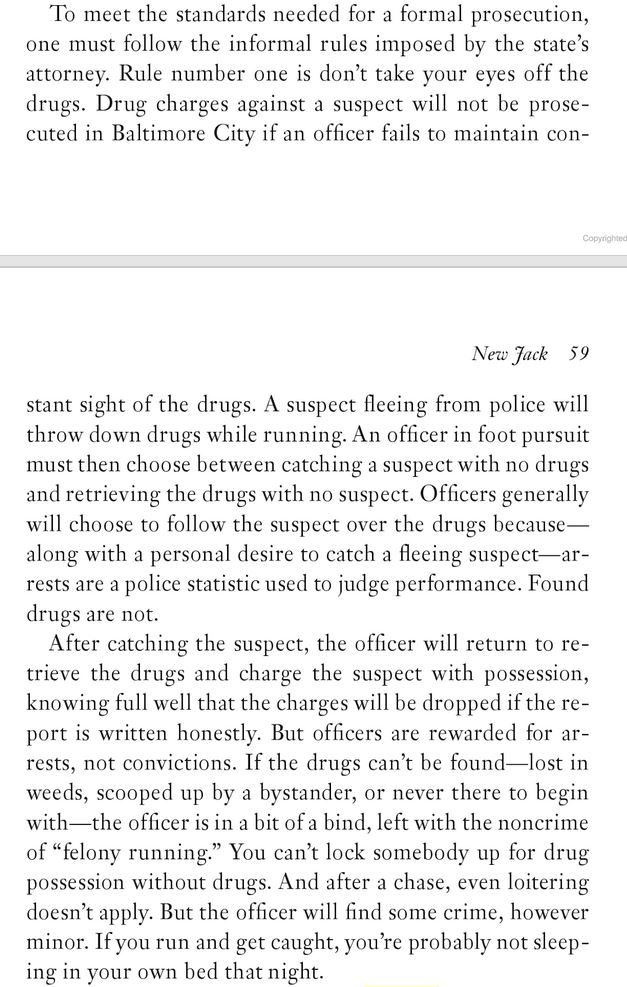
These two realities create tremendous downward pressure for street level law enforcement to maintain order by whatever means they can improvise in the field. This is where impromptu and often unconstitutional stratagem are born, such as “clearing corners.” With a dearth of root cause solutions, field officers know that “clearing corners” may alienate residents but reduce shootings in twenty-minute intervals. As Peter Hermann in the Washington Post recently pointed out, Western District Baltimore reported 66 murders in its 2.8 square miles in 2015. Police officers in urban America have been triaging violent crime block by block for years.
Once a consent decree is implemented in the affected jurisdiction, the near immediate upside for law enforcement tends to be a reprieve from this relentless and unsustainable pace. While consent decrees are well known by now for their sweeping reforms to agency policies, use of force training and investigation, general oversight (typically layered and civilian), detention and arrest demographic reporting, community policing and engagement strategies, and constitutional policing generally; what is less well known are the considerable benefits to the rank and file.
Consent decrees direct resources to officers in the form of extensive job training and professional development, support services, and incidentally, a more orderly and professional workplace. Many large police departments in recent years have become pressure cookers of untenable workloads which naturally results in job stress that is passed on to the public. The Department of Justice notes in nearly every consent decree that substantive discipline is lacking — most cops will acknowledge that malicious extrajudicial discipline is rampant. Such practices tend to naturally wane with the outsider presence.
While I see a number such improvements in New Orleans’ consent decree era, I will admit that even I was surprised when in a recent police forum an overwhelming majority of colleagues present described their workplace as “dramatically improved” over the past few years.
In the next two years Baltimore officials will likely (hopefully) be surprised by how collaborative and productive their relationship with DOJ will be. Admittedly, Justice is seen by field officers as an occupying faction in the initial months. And while field officers will lament the increase in administrative tasks for years to come; they often are equally surprised by their eventual relationship with Justice. While every city presents unique challenges, an early key to success is embracing the inevitable change and being proactive — Baltimore officials have clearly adopted this strategy.
Consent decrees come with predictable drawbacks as well as some unexpected consequences peculiar to each jurisdiction. Chief among complaints are substantial costs [ed note: $11 million per year in New Orleans] and a distraction from basic crime control. Calls will take longer and result in longer wait times. Many also see the precipitous increase in administrative burdens as excessive, which compounds these problems.
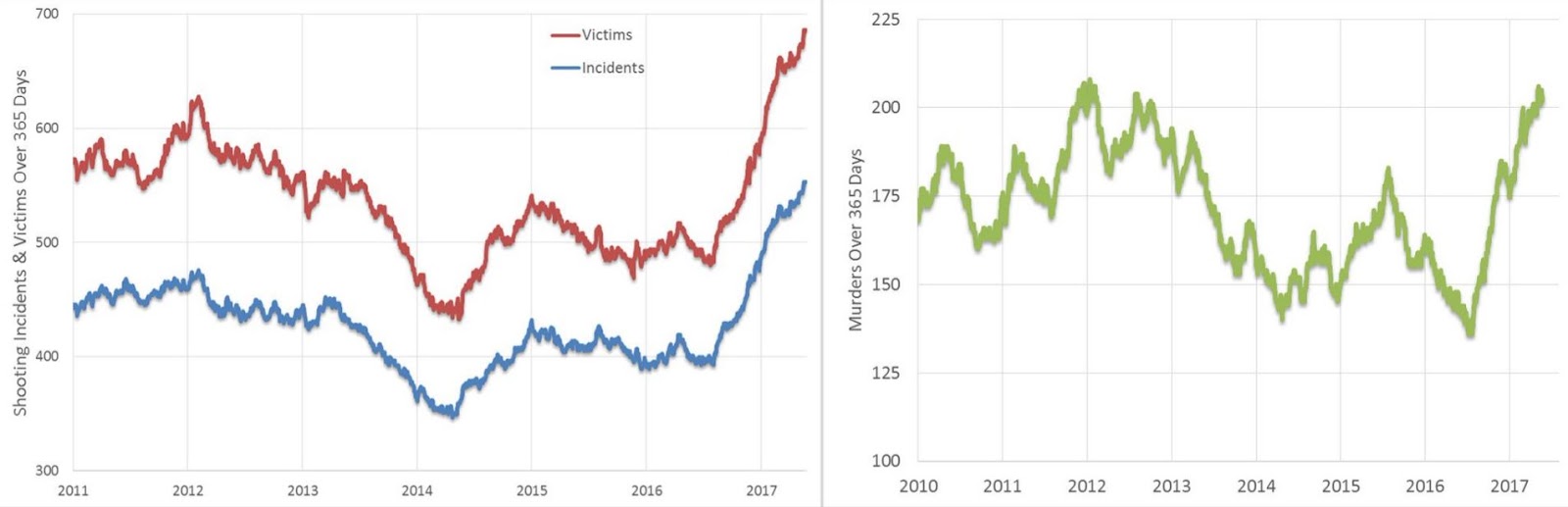
While there is a lack of any major corpus of data on the effects of current and former consent decrees in these areas, I believe one clear effect is their tendency to shine a glaring light on deficiencies in domestic policy and highlight some of the truly fundamental issues facing the future of policing in America. Wherever the reader chooses to point blame, these significant problems exist and need to be addressed. Baltimore and Chicago are struggling through one of the most violent years in decades.
Rank and file officers can expect to see a slightly emboldened criminal population; many will feign vindication in light of DOJ’s report and challenge local law enforcement’s legitimacy during interactions. Defense attorneys will wave printed copies of the DOJ report on Baltimore in open court as general evidence of your “corruption.” Officers should also prepare for major changes to the handling of citizen complaints and discipline in general. Most complaints will essentially be taken at face value until disproved. Discipline will almost certainly be widespread and strictly applied until there is inevitable pushback, and then Baltimore and Justice eventually find a compromise. All of this will predictably take a toll on morale, the acute symptoms of which are temporary. All Baltimore area police labor groups should be proactive in approaching DOJ early on and getting a seat at the table. Baltimore officials should view New Orleans’ dedicated and invested compliance team and its relationship with the monitoring team as a model for progress.
To DOJ’s credit, the agency openly acknowledges that consent decrees evolve, and with each passing year they learn from experience and actively work to improve the process for all involved. I think it is impossible to deny that the initial drain on resources creates a vacuum in crime control and increases in response times. I believe this is a primary area where we should expect improvement. Local crime is not the responsibility of DOJ per se, but any negative impact on crime control affects local populations; an increase in crime is contrary to both agencies’ long-term goals. A potential solution to this very real concern may involve historical analysis followed by an agreed upon strategy to minimize the potential for such scenarios prior to implementation. I also believe future monitoring teams should reach out to and engage rank and file officers either directly or through labor groups early on. New Orleans’ monitoring team are transparent and honest about their goals and expectations and are quite easy to work with, but it took longer than necessary in my opinion for field officers to feel confident in this fact.
Whether the observer believes DOJ is infringing on the autonomy of state and local governments — who are merely struggling to control violent crime within their borders — or rightly stepping in to enforce the nation’s primary source of law; one immutable fact every similarly situated city has discovered is that arguing the legal merits of intervention is largely a waste of time. Consent Decrees appear to be here to stay; existing consent decrees are likely the best reference for any city wishing to avoid one.