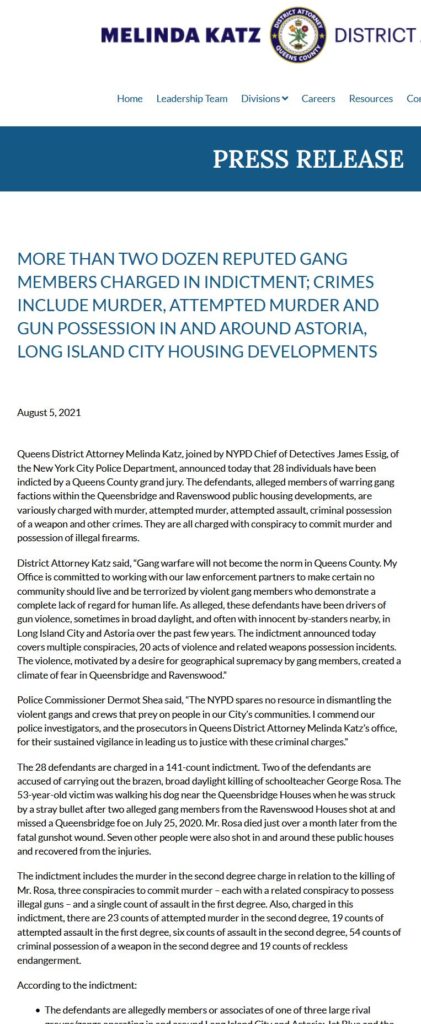
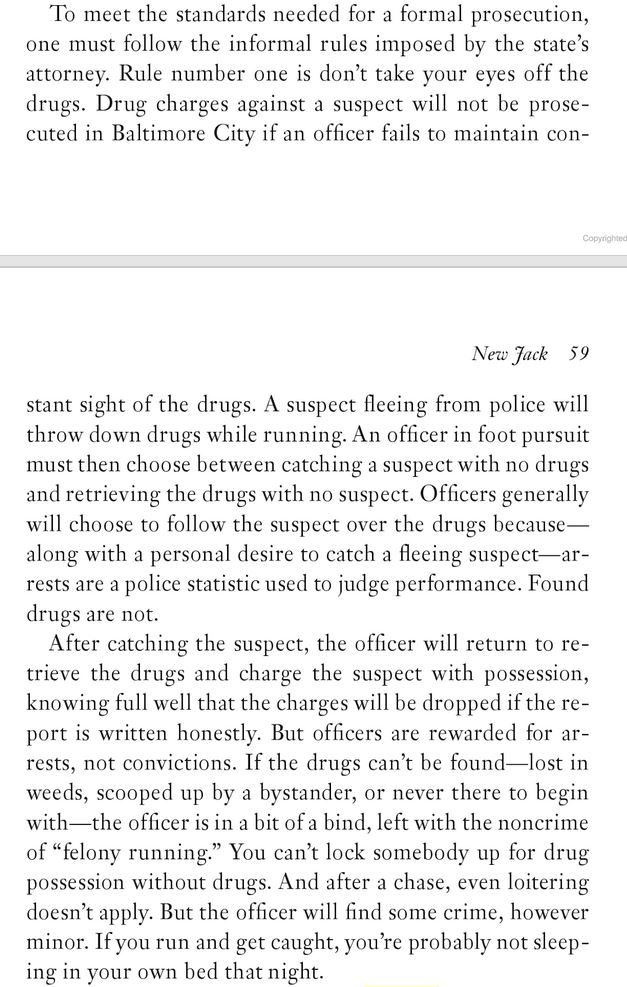
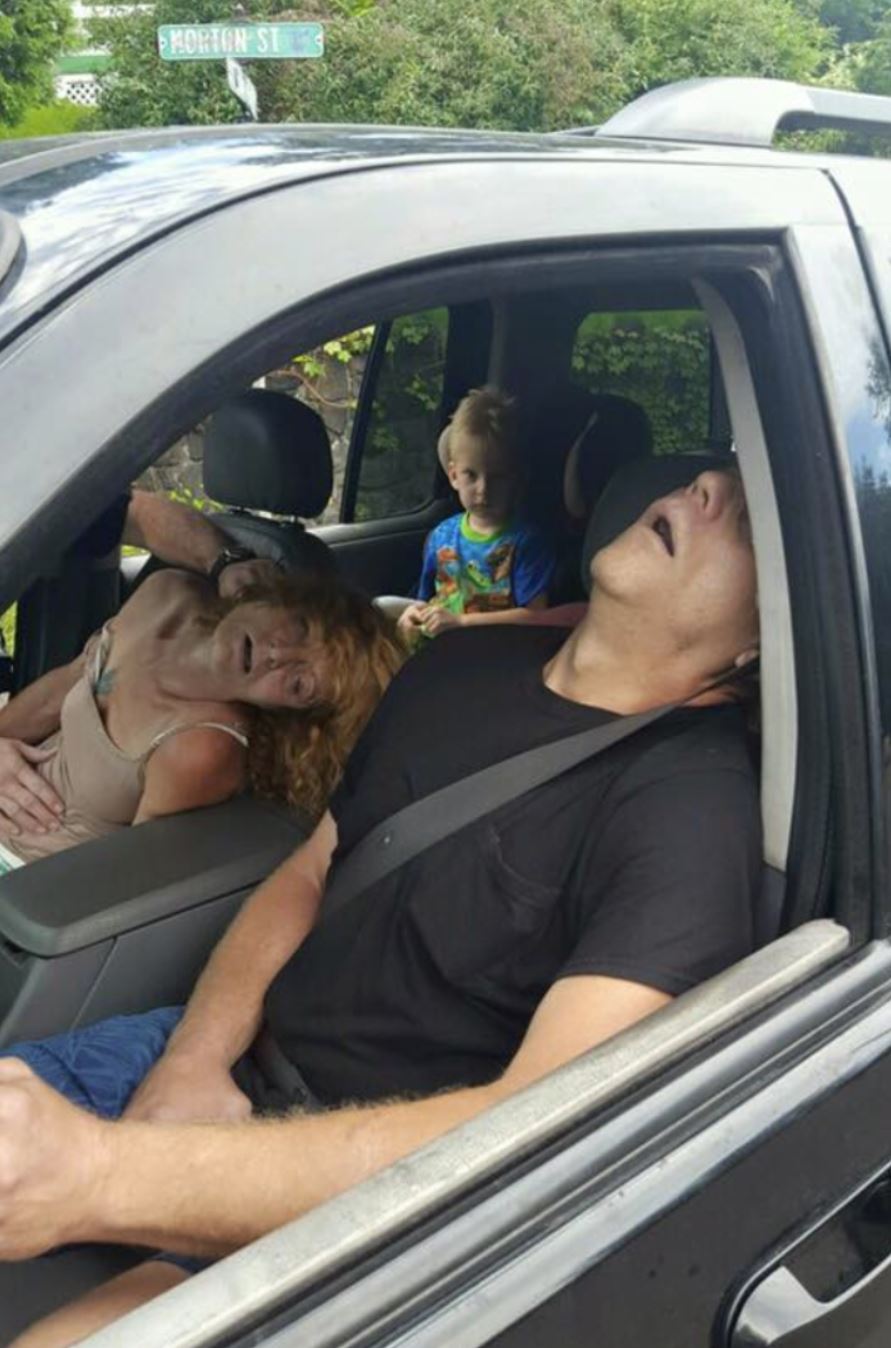
Okay, I’m going to say it: The heroin epidemic was caused by the legalization of marijuana.
…
Weed was a major profit center for [the Sinaloa Cartel], but suddenly they couldn’t compete against a superior American product that also had drastically lower transportation and security costs.
In a single year, the cartel suffered a 40 percent drop in marijuana sales, representing billions of dollars. Mexican marijuana became an almost worthless product. They’ve basically stopped growing the shit: Once-vast fields in Durango now lie fallow.
…
The Sinaloa Cartel decided to undercut the pharmaceutical companies. They increased the production of Mexican heroin by almost 70 percent, and also raised the purity level, bringing in Colombian cooks to create “cinnamon” heroin as strong as the East Asian product. They had been selling a product that was about 46 percent pure, now they improved it to 90 percent.
Their third move was classic market economics—they dropped the price. A kilo of heroin went for as much as $200,000 in New York City a few years ago, cost $80,000 in 2013, and now has dropped to around $50,000.
At the same time, American drug and law-enforcement officials, concerned about the dramatic surge in overdose deaths from pharmaceutical opioids (165,000 from 1999 to 2014), cracked down on both legal and illegal distribution, opening the door for Mexican heroin, which sold for five to ten bucks a dose.
But pill users were not accustomed to the potency of this new heroin. Even heroin addicts were taken by surprise.
As a result, overdose deaths have skyrocketed, more than doubling from 2000 to 2014. More people — 47,055 — died from drug overdoses in 2014 than in any other year in American history.
…
Historically, the Sinaloa Cartel has been the least violent of the Mexican drug-trafficking organizations. Admittedly, this isn’t a high bar to clear, but it has long been axiomatic that the Mexican government felt that it could at least talk to Guzmán and his partners in ways it never could with, for instance, the Zetas.
Many journalists and writers, myself among them, believe that the Mexican government eventually supported the Sinaloa Cartel during the worst years of the drug war in an attempt to establish some modicum of order.
…
For the record, Guzmán did not go out that [prison] tunnel on a motorcycle. Steve McQueen escapes on motorcycles. My money says that Guzmán didn’t go into that tunnel at all; anyone who can afford to pay $50 million in bribes and finance the excavation of a mile-long tunnel can also afford not to use it.
Gentle reader, the man is worth $1 billion. He was thinking about buying the Chelsea Football Club. He went out the front door.
…
If Mexico has become Iraq, then the Jalisco New Generation Cartel (CJNG) is the country’s ISIS.
…
What makes CJNG so ISIS-like is that they just don’t give a shit. To consolidate power, El Mencho allegedly authorized the murder of Jalisco’s tourism secretary and the assassination of a congressman.
In March 2015, lugging assault rifles and grenade launchers, CJNG gunmen rolled into a town and killed five police officers. Two weeks later, they ambushed a police convoy and killed fifteen officers. The next day, they murdered the police chief of another town.
In April 2016, they shot down a military helicopter with a rocket launcher
…
Just as this mess was heating up, a new drug — actually an old drug — entered the scene. Fentanyl is a synthetic opioid that is thirty to fifty times as strong as heroin. It was developed in 1960 by Janssen Pharmaceuticals (now a division of Johnson & Johnson) as a treatment for the severe pain caused by terminal cancer.
…
For the narcos, the advantages of fentanyl over heroin are enormous.
First of all, it’s made in a lab, so you don’t need fields of poppies that can be raided, fumigated, or seized. You don’t need hundreds of campesinos to harvest your crop and you don’t need to take or control territory. (Well, not territory for cultivation—you still have to control access to smuggling turf, hence the renewed violence in Baja, where the murder rate has tripled.)
But it’s the profits that will make fentanyl the new crack cocaine, which created the enormous wealth of the Mexican cartels in the eighties and nineties. A kilo of fentanyl can be stepped on sixteen to twenty-four times to create an astounding return on investment of $1.3 million per kilo, compared with $271,000 per kilo of heroin.
…
We’ll no longer know where’s it coming from, and worse, what’s in it. First responders will not be able to tell if they’re dealing with pure heroin, heroin laced with fentanyl, pure fentanyl, fentanyl cut with God knows what … there will be pharmacological chaos.
We talk about the heroin epidemic.
Fentanyl will be the plague.
…
So Guzmán is behind bars, it’s over, and we won. Just like we won when Hussein literally reached the end of his rope.
The Los Angeles Times estimates that two thirds of Mexican drug lords have been either killed or imprisoned. And what’s the result? Drugs are more plentiful, more potent, and cheaper than ever. Deaths from overdoses are at an all-time high. Violence in Mexico, once declining, is starting to rise again
…
An entire economy is based on drug prohibition and punishment, something to the tune of $50 billion a year, more than double the estimated $22 billion we spend on heroin.
…
That’s a lot of money. There will inevitably be another Guzmán, but he’ll be a distraction, too…. Follow the money.