Tag: amsterdam

  • Buying drugs in Amsterdam

    Buying drugs in Amsterdam

    Buying drugs doesn’t need to involve criminals, violence, and neighborhood blight.

    These are pictures I took a few years back of a friend buying drugs in an Amsterdam “coffee shop.” I show it to my classes at John Jay College of Criminal justice.

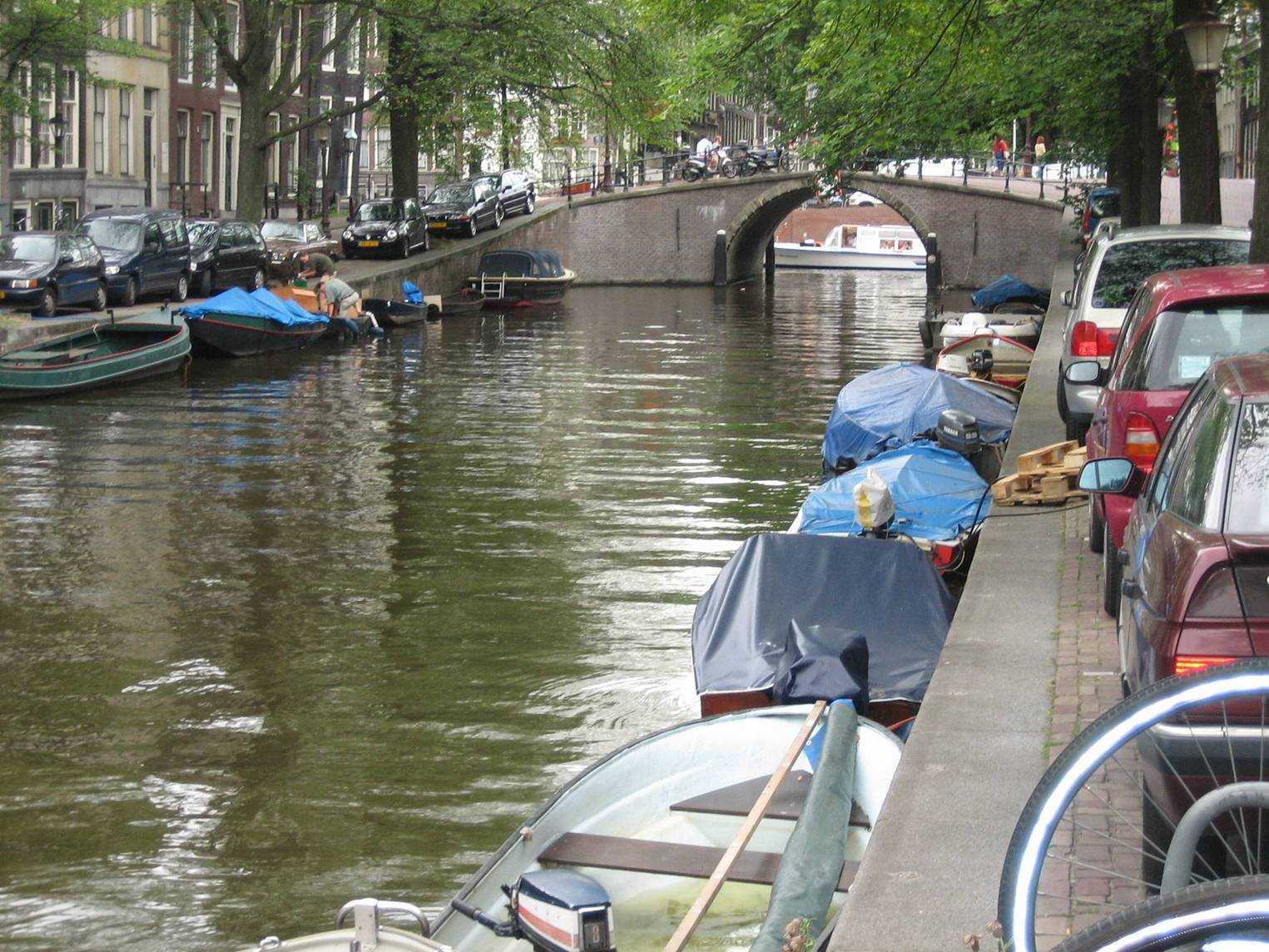
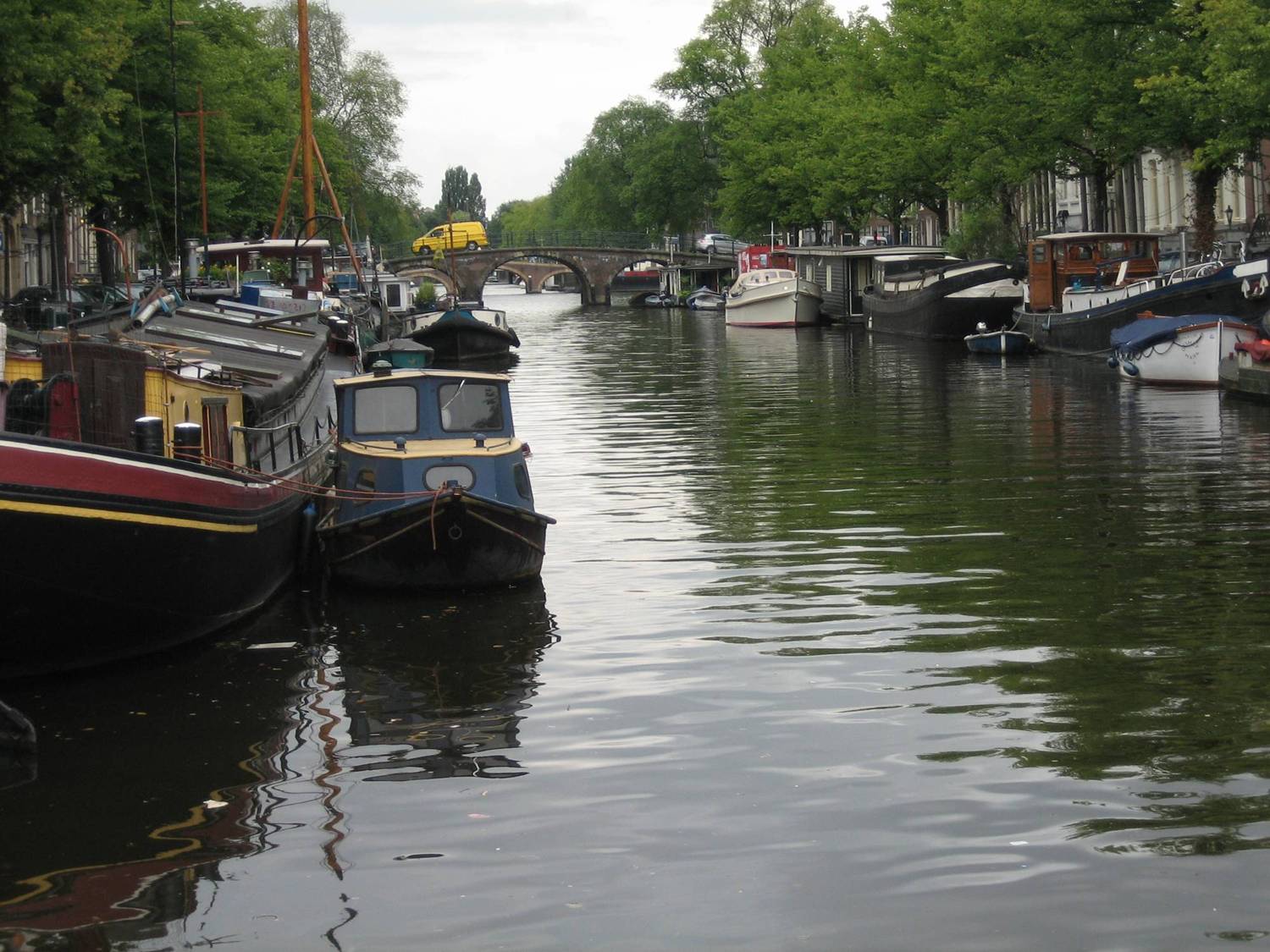
    Amsterdam is a beautiful city of canals and old buildings.
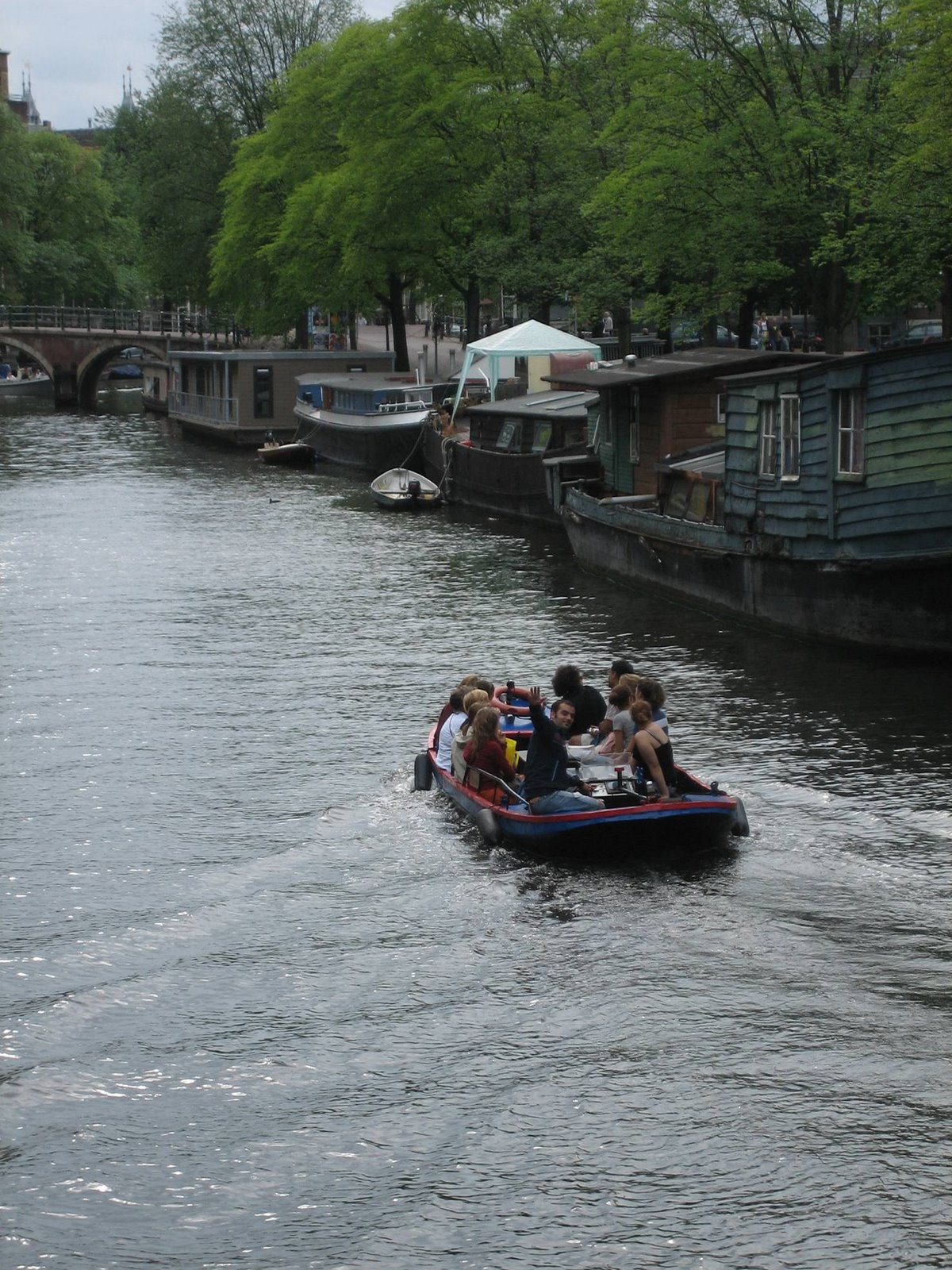
    I love being on a boat.
    In a nice (and expensive) part of town, there’s a seed store. They’re not selling tulip bulbs here.
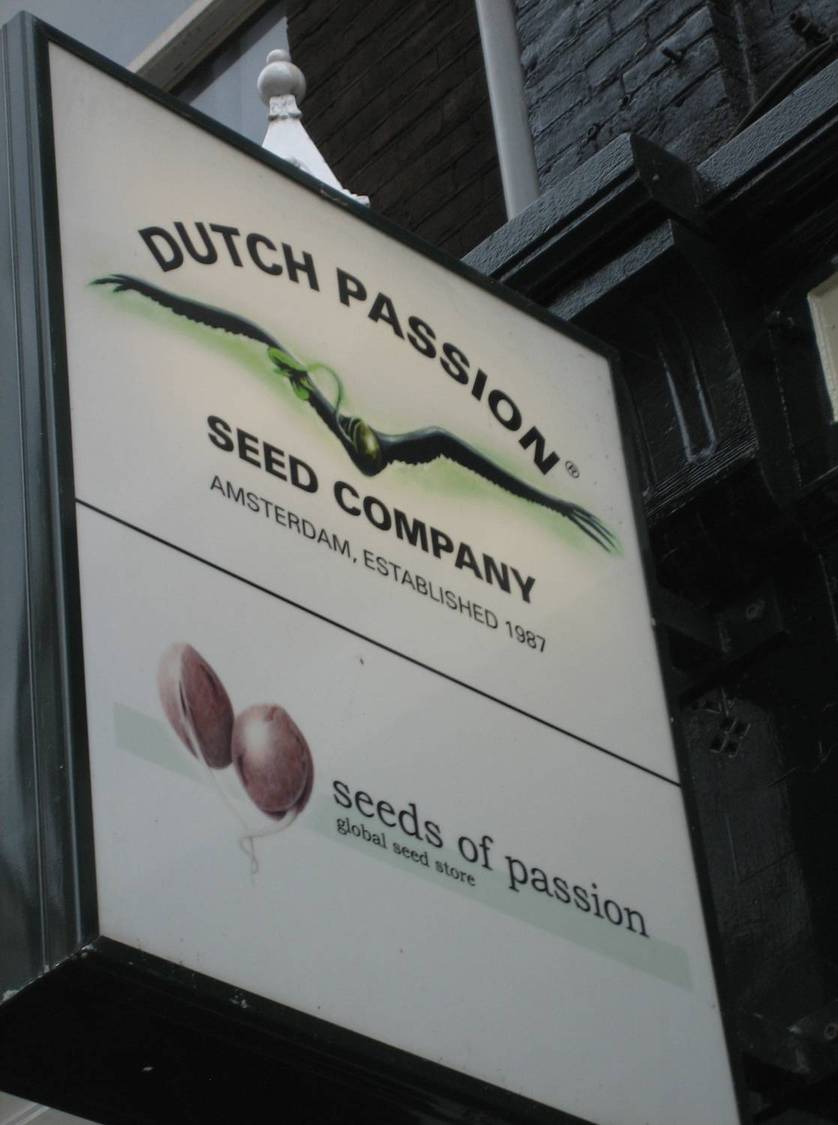
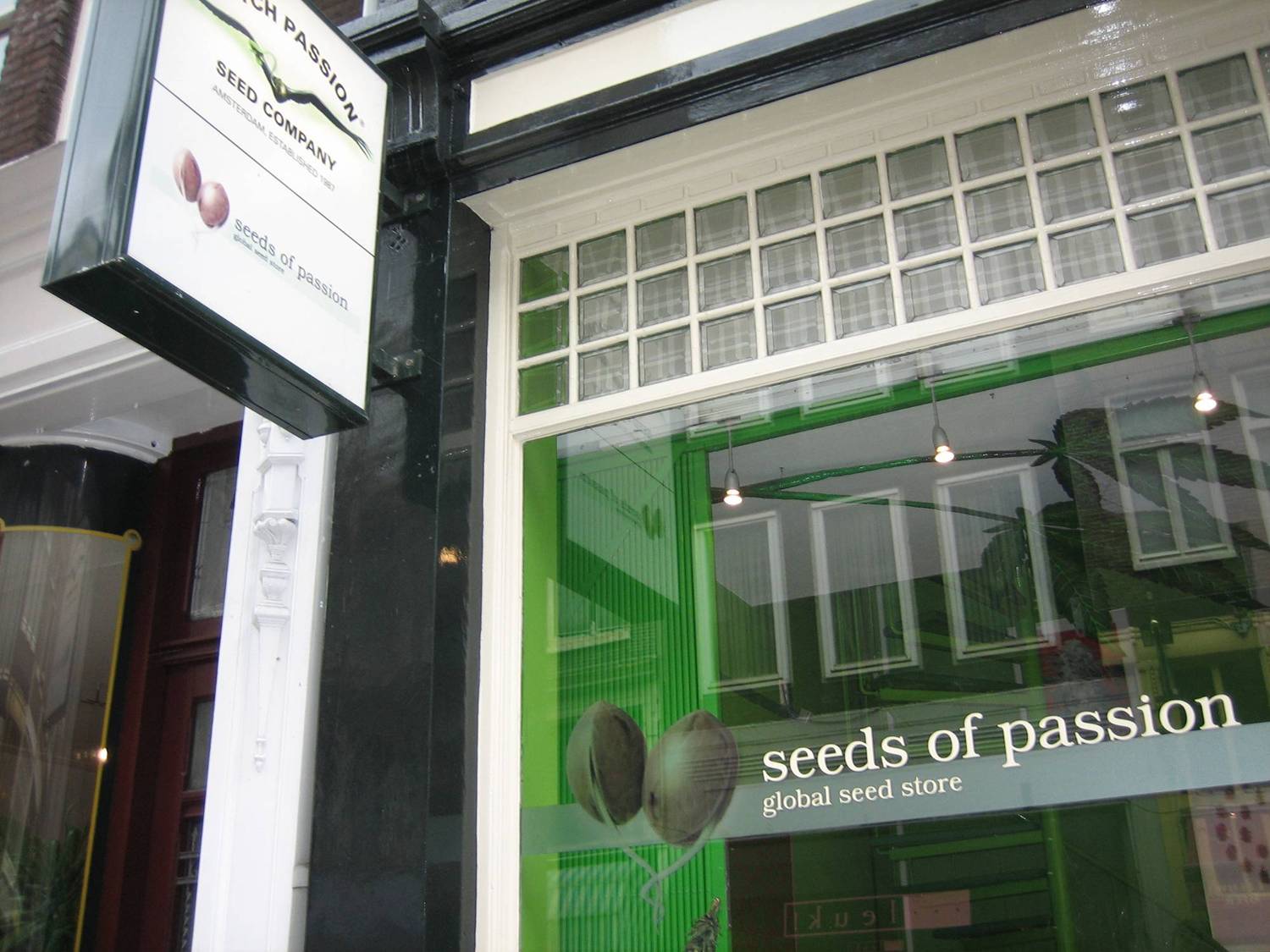
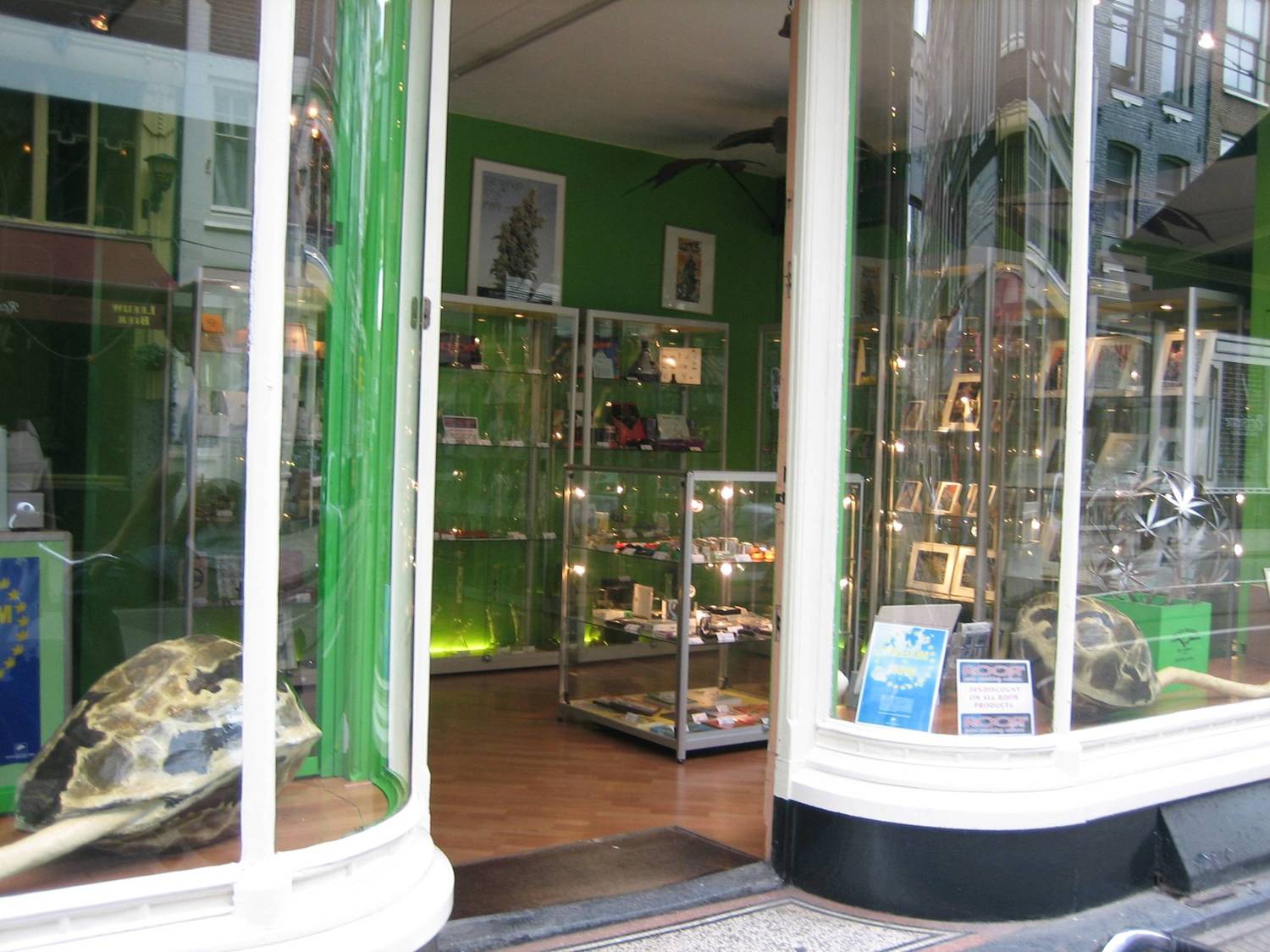
    It’s a very sleek and modern store to buy all you need to grow your own dope.
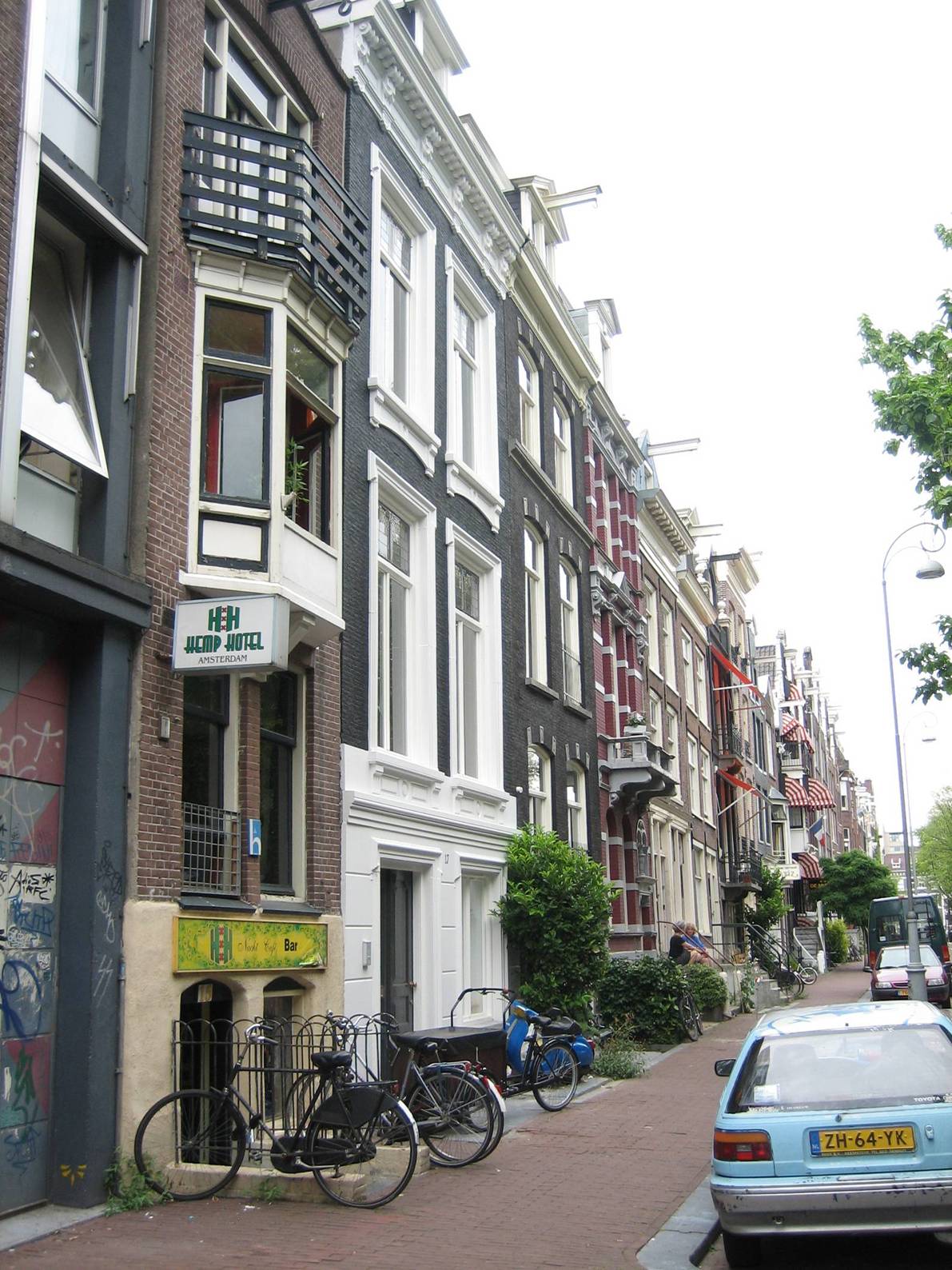
    Around the corner, there’s the Hemp Hotel. I don’t think you have to smoke there, but I’m pretty sure they won’t kick you out of their bed if you do.
    A block away, on the Reguliersgracht (of the Seven Bridges fame).
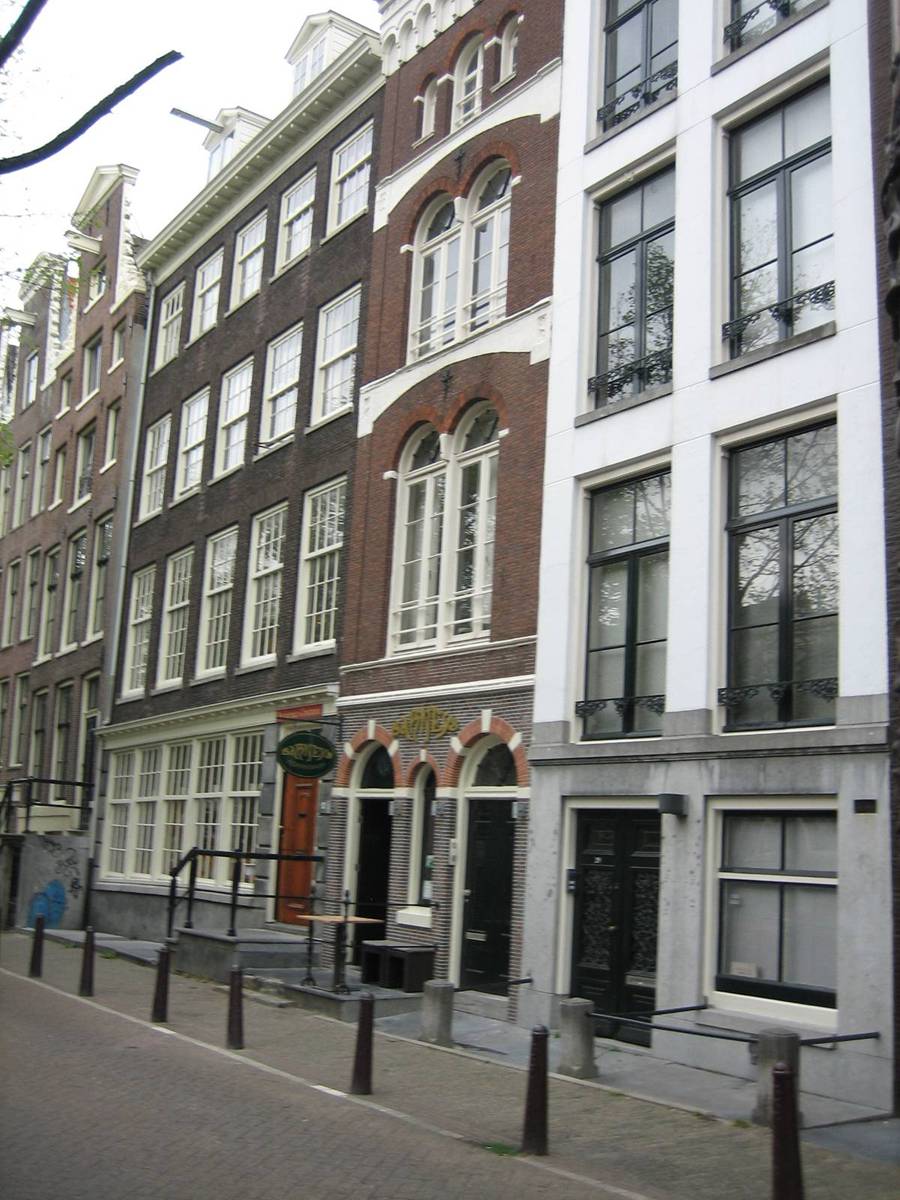
    There’s a “coffee shop” selling marijuana and hash. Again, it’s nothing that will lower property values.
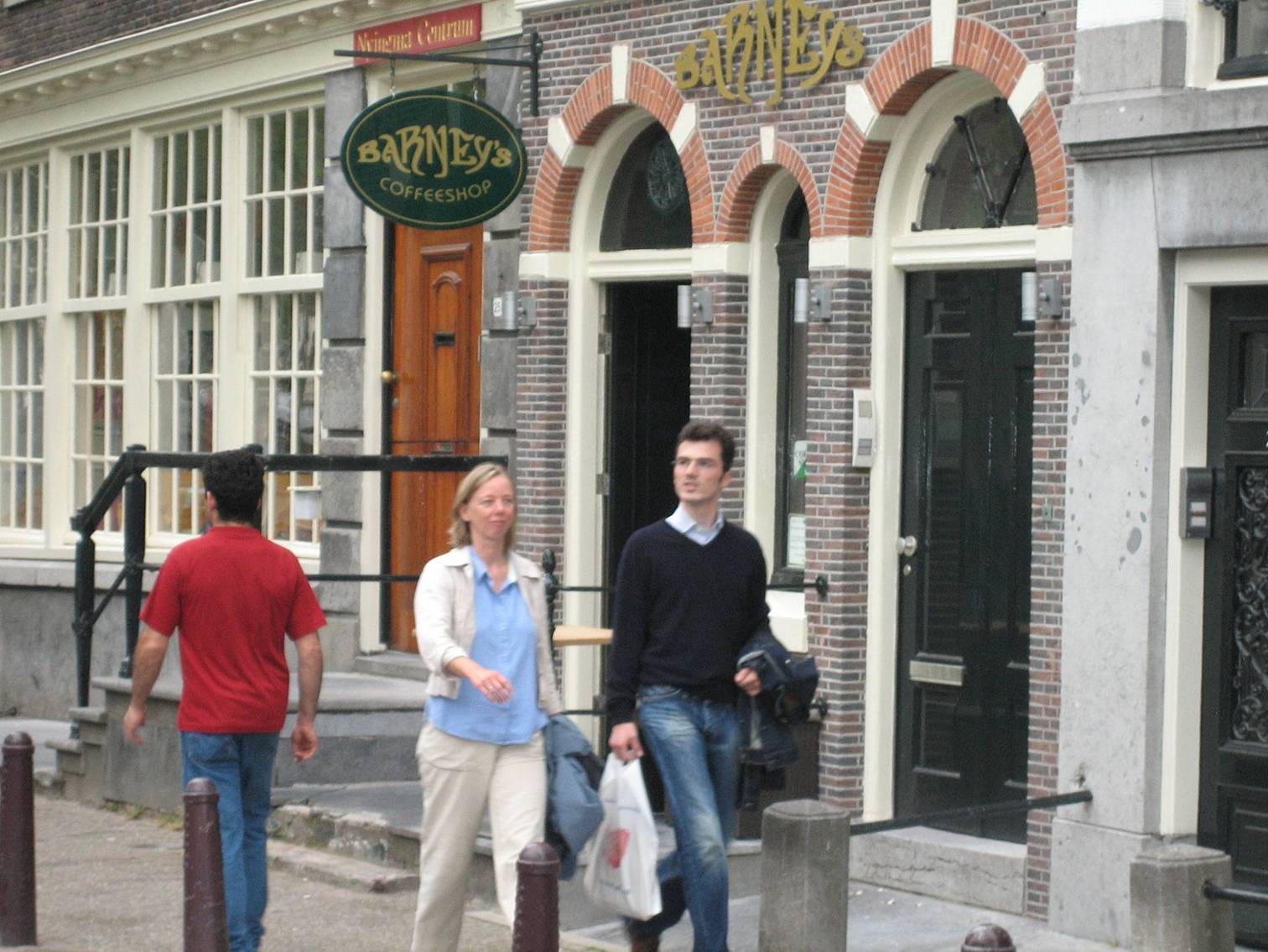
    Even the police welcome you!
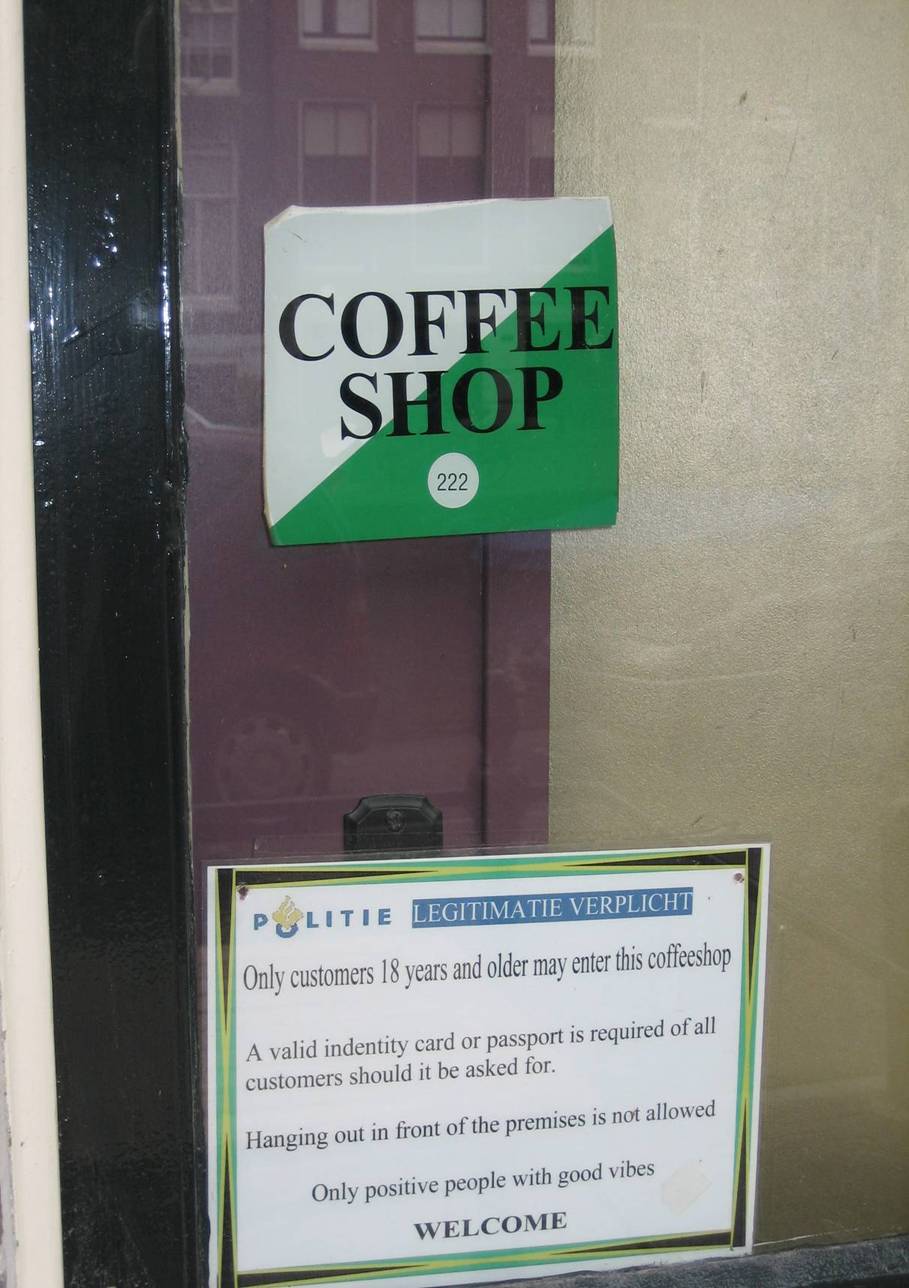
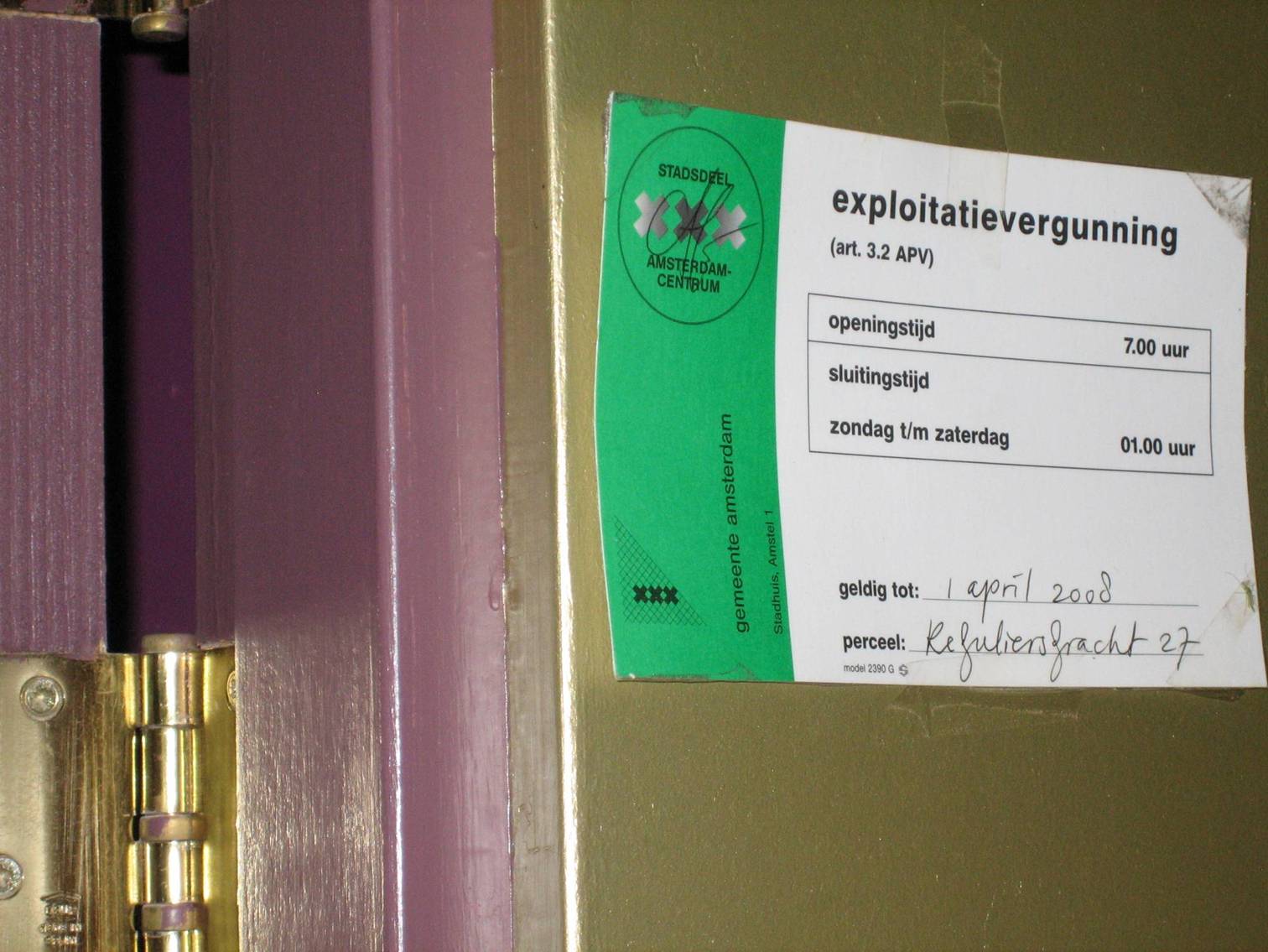
    The store is licensed and regulated. It can be shut down by the police for any reason and without cause. But there never is trouble in a “coffee shop.” Partly because, well, why should there be? And also because the owners don’t want to risk losing their license. They know they’re sitting on a cash cow. This coffee shop can be open from 7 to 1AM.
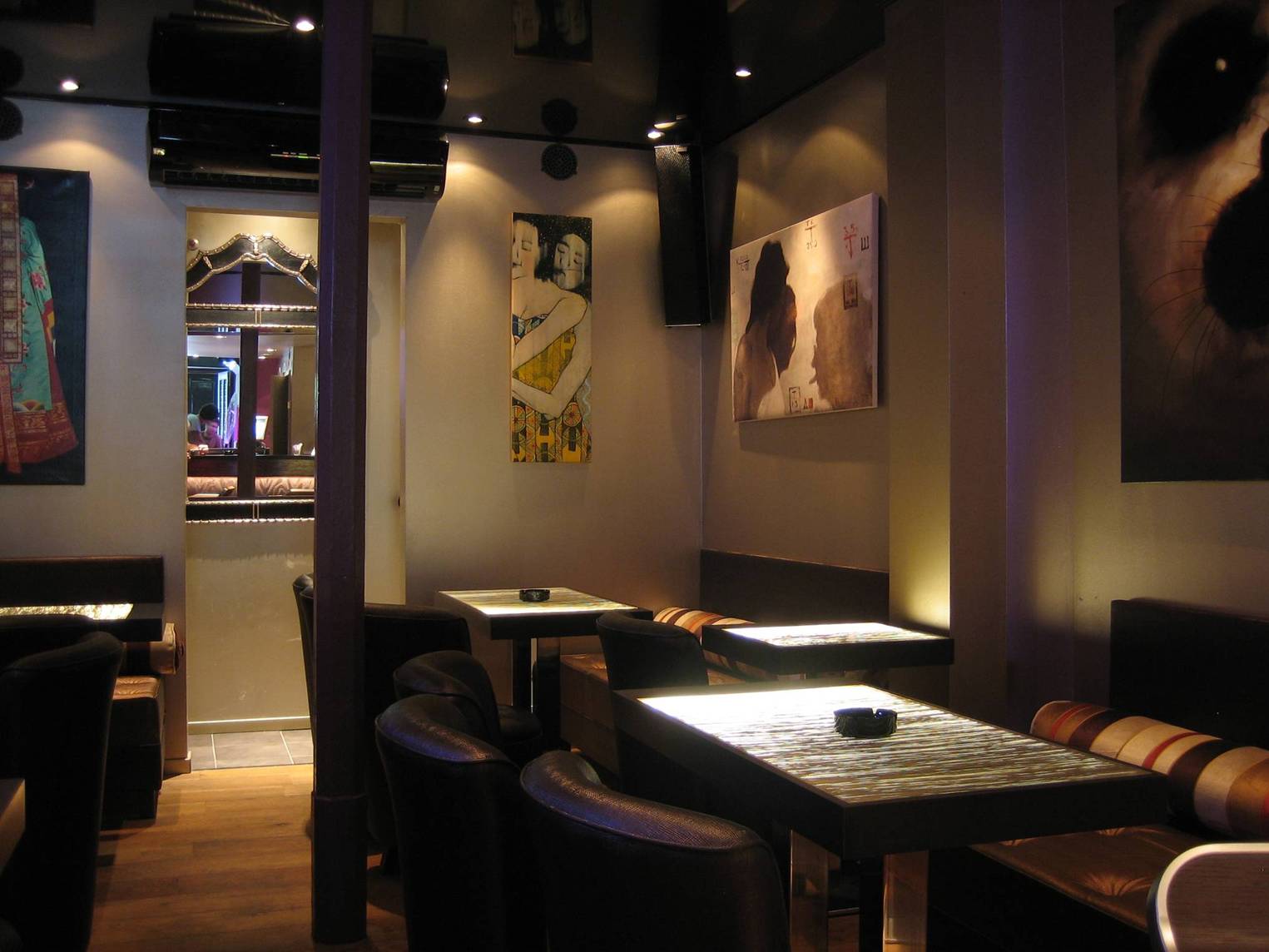
    Inside the place looks nice! Nicer than the average “coffee shop.” Much nicer, need I mention, than the average drug corner in Baltimore.
    I had to ask my students what this was. How do they know?
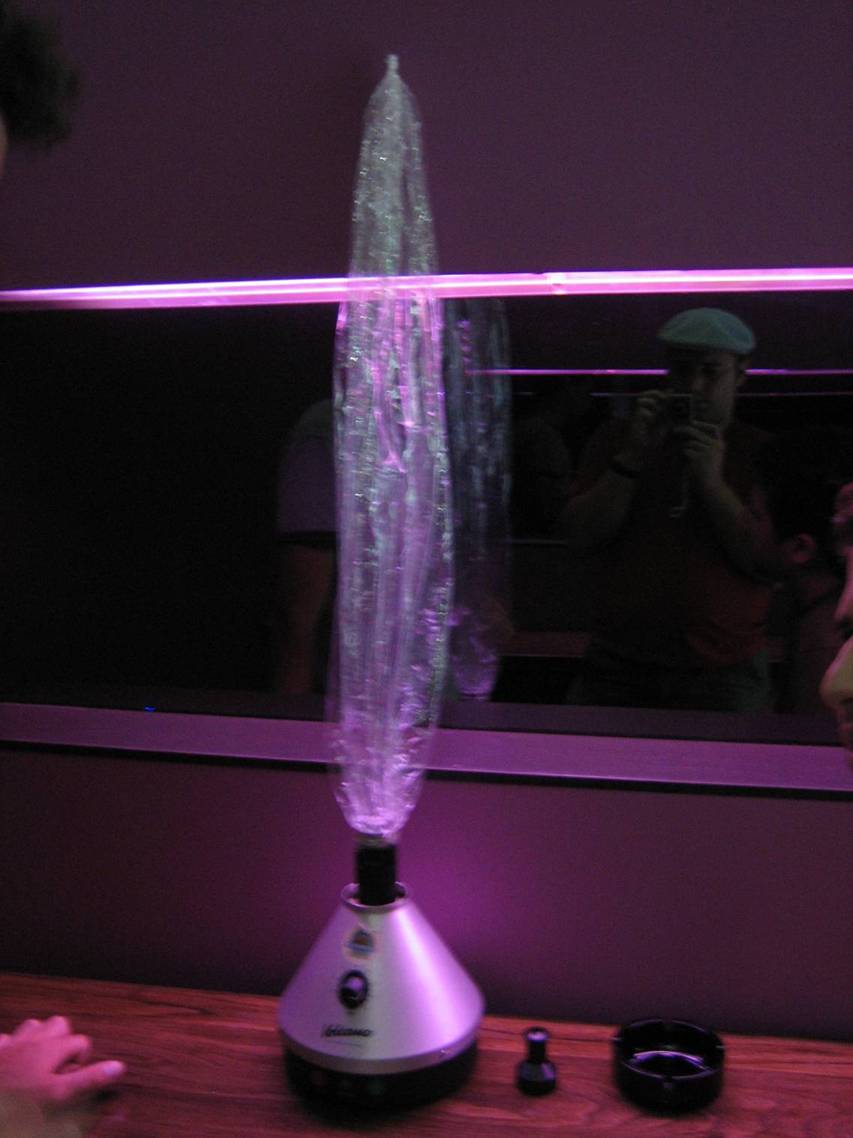
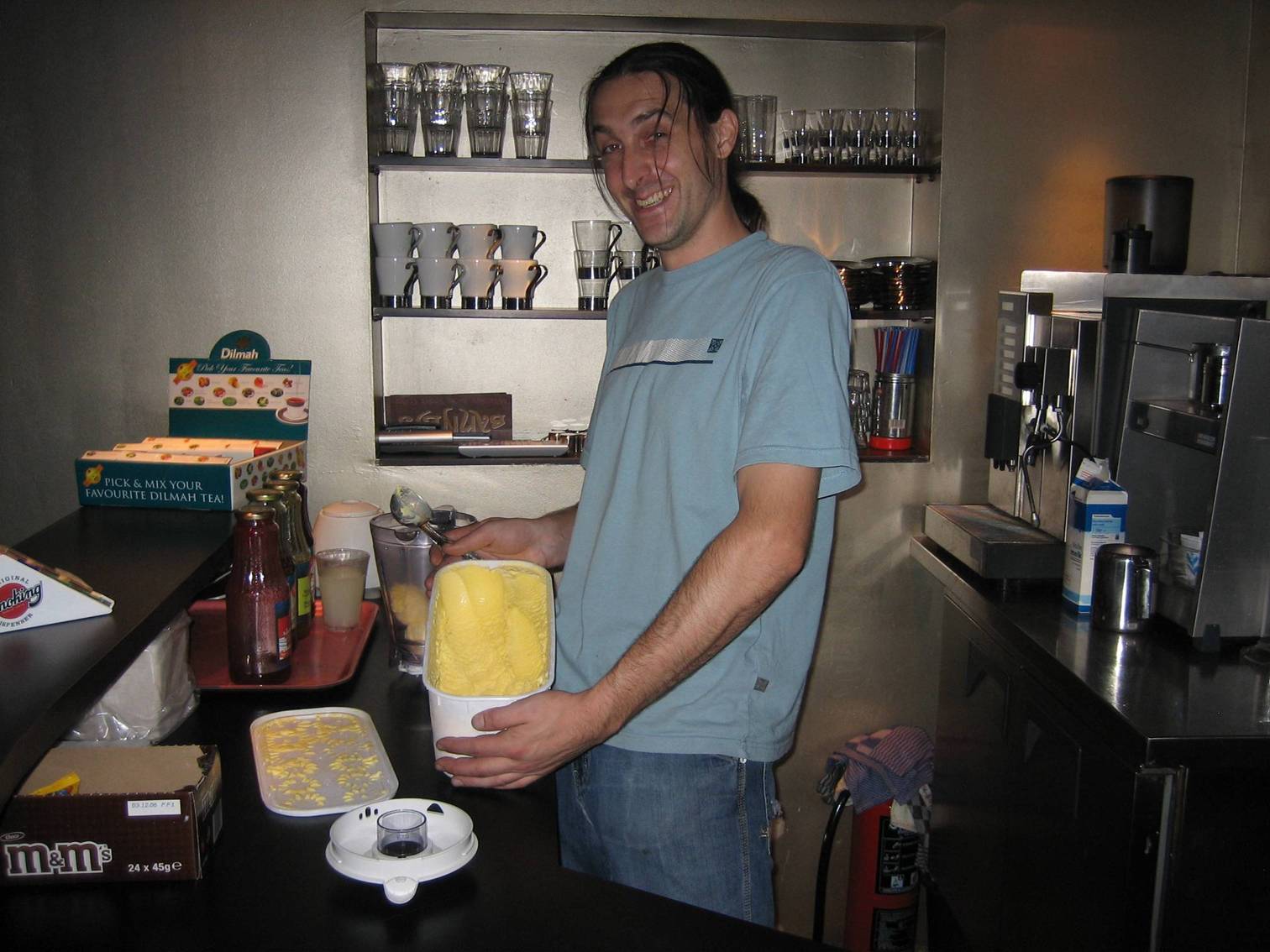
    The guy working there was happy to show off the coffee and ice cream, but didn’t want me taking pictures of drugs.
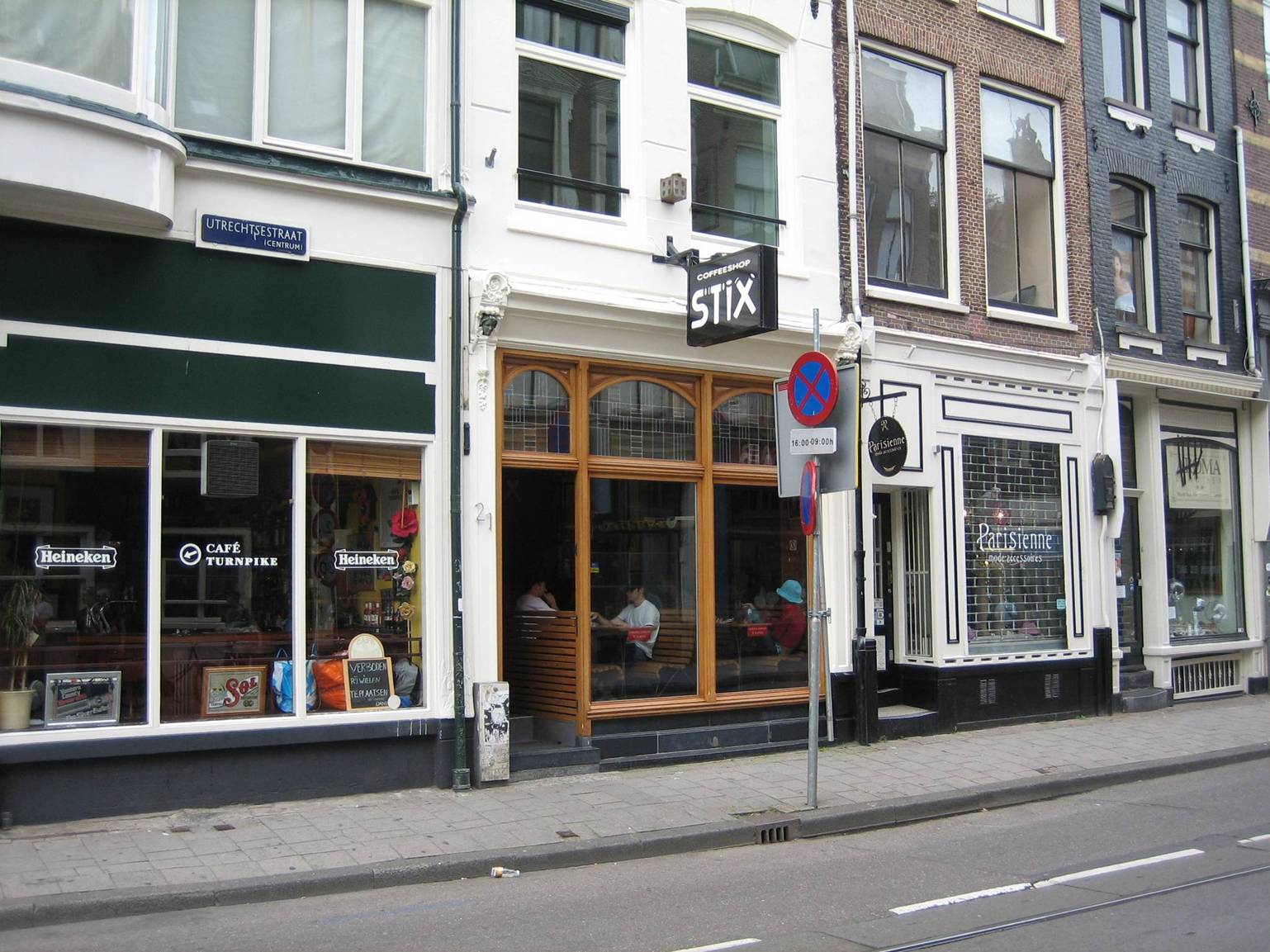
    So I went to another coffee shop, across the street from the seed store.
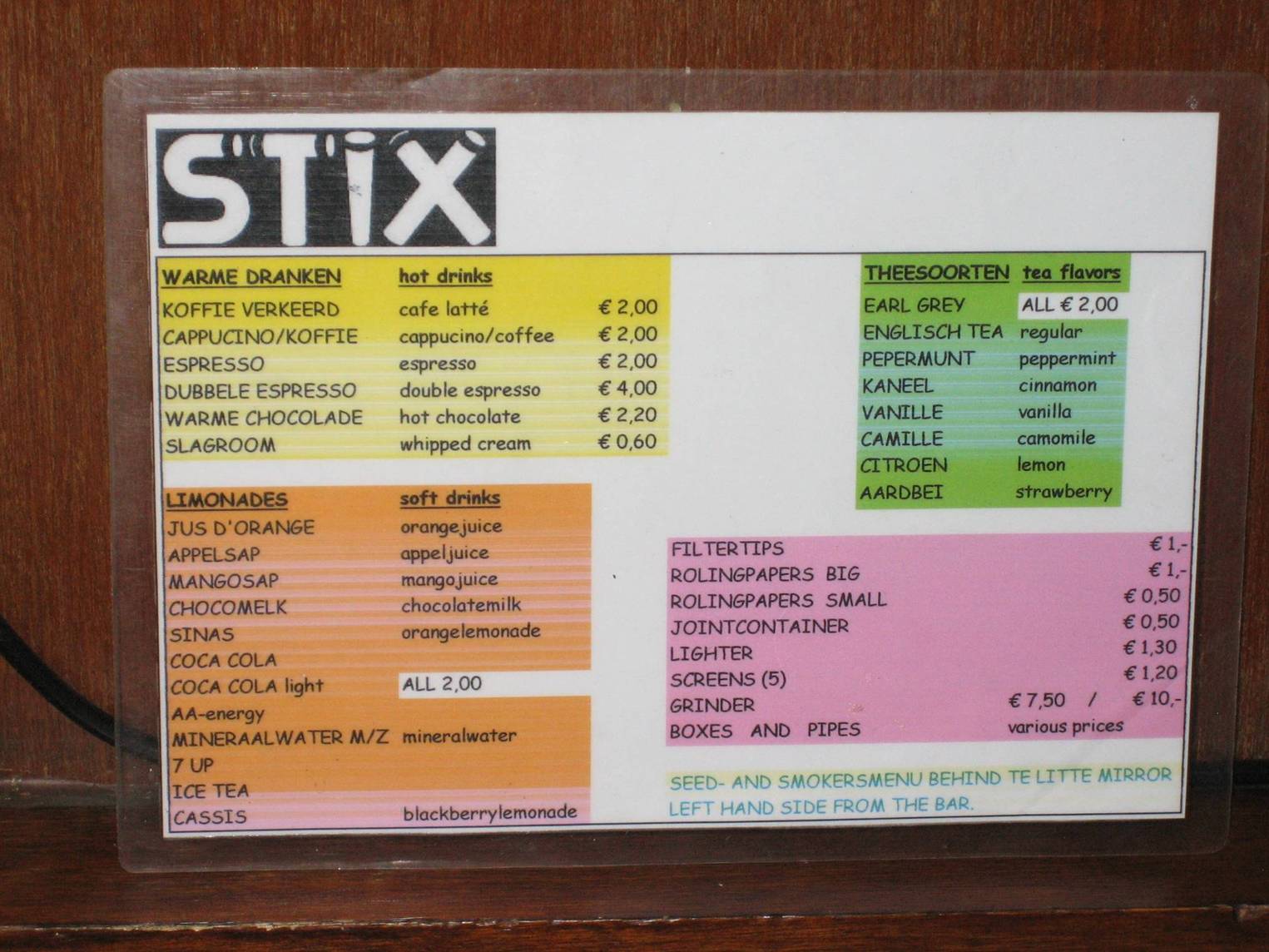
    Here’s the menu. Standard cafe stuff except for the filters, screens, and rolling papers.
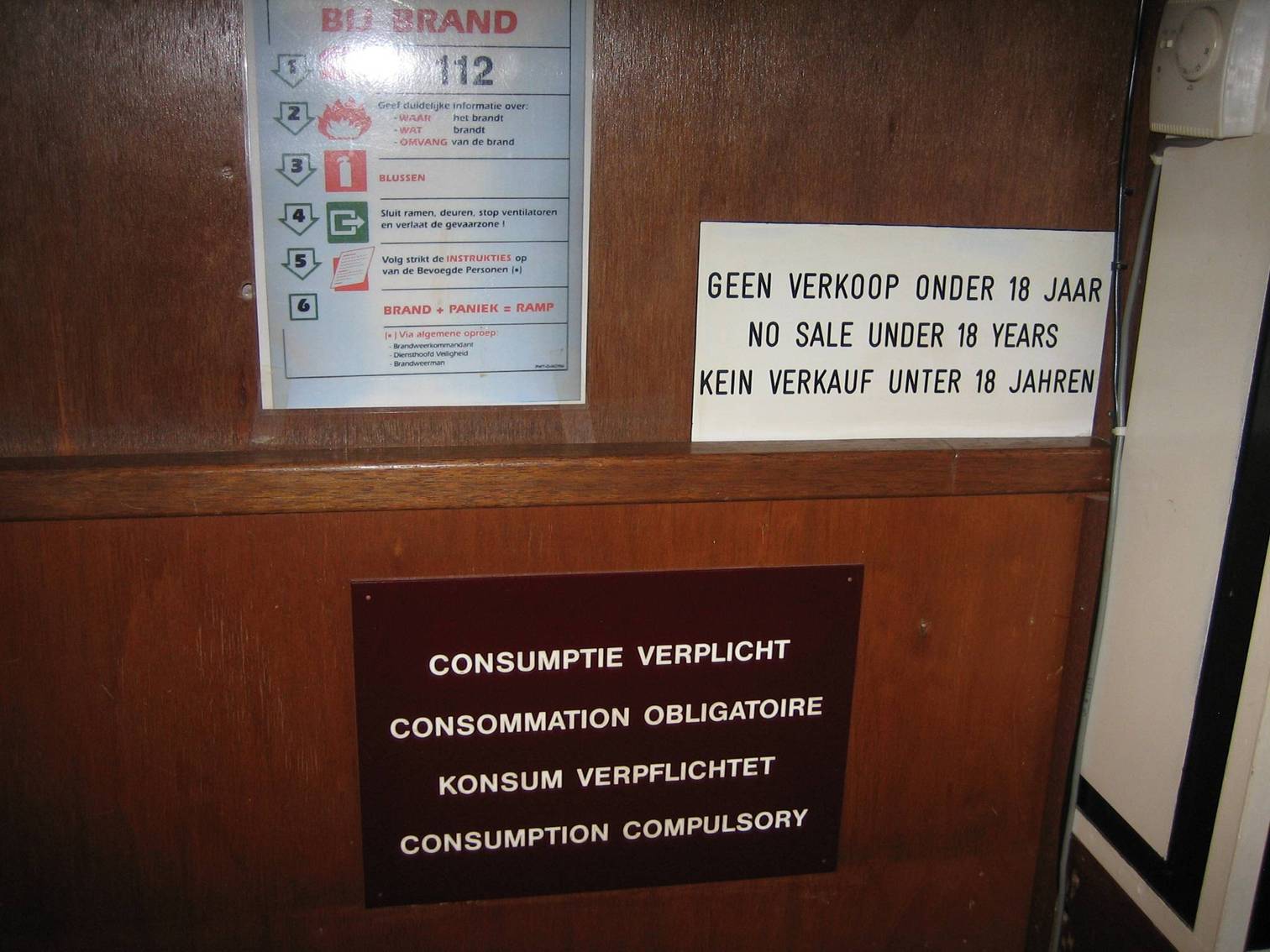
    You have to be 18. The idea that consumption is “compulsory” cracks me up. But they’re not talking about drugs. You just have to buy something if you want to hang out in their store. Fair enough.
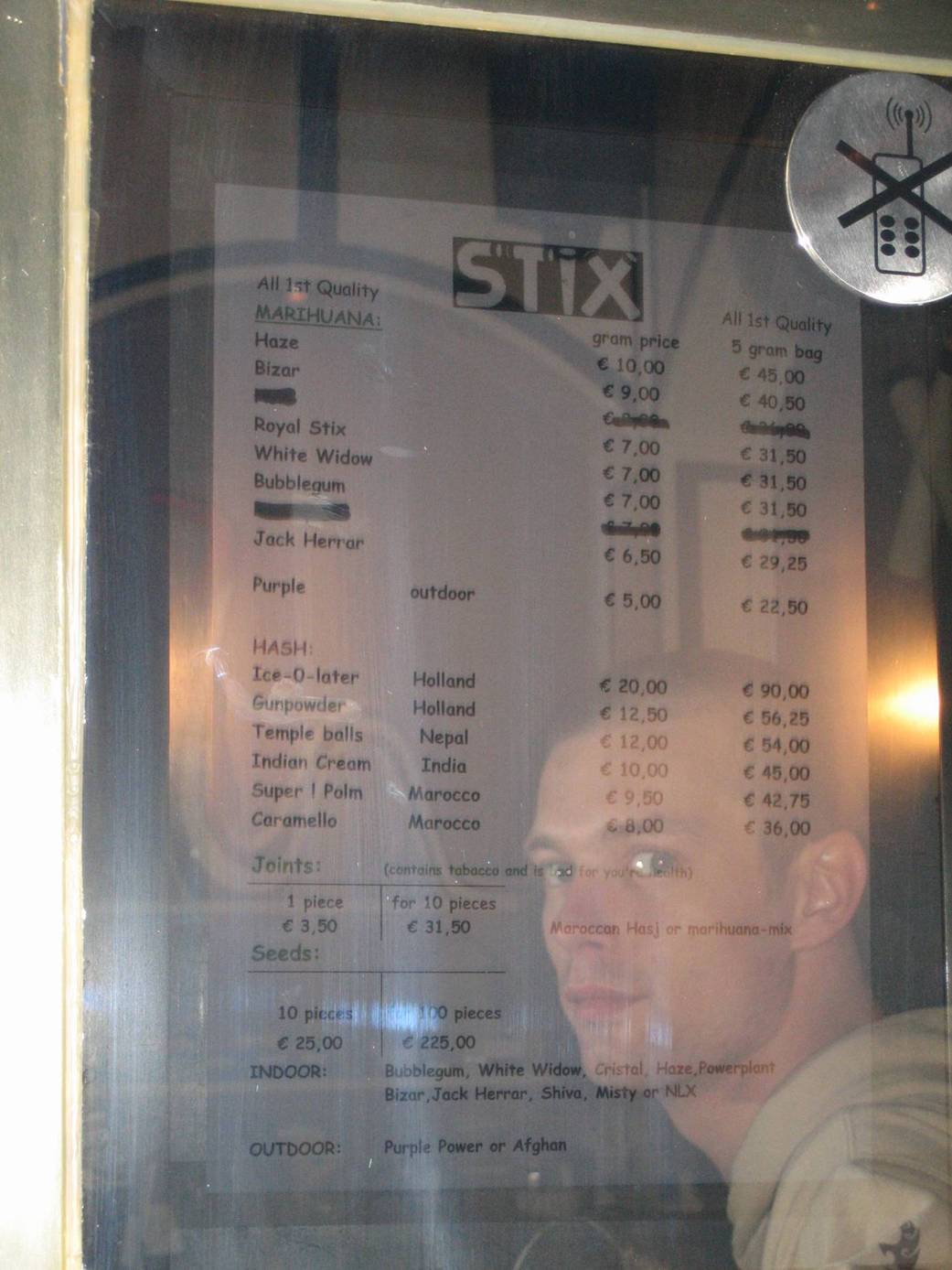
    The drug menu is now behind a window that you have to press a button to see. I’m not certain why they made this rule. It’s not like people in a coffee shop don’t know they sell weed. But I’m always happy to see drug selling successfully regulated.
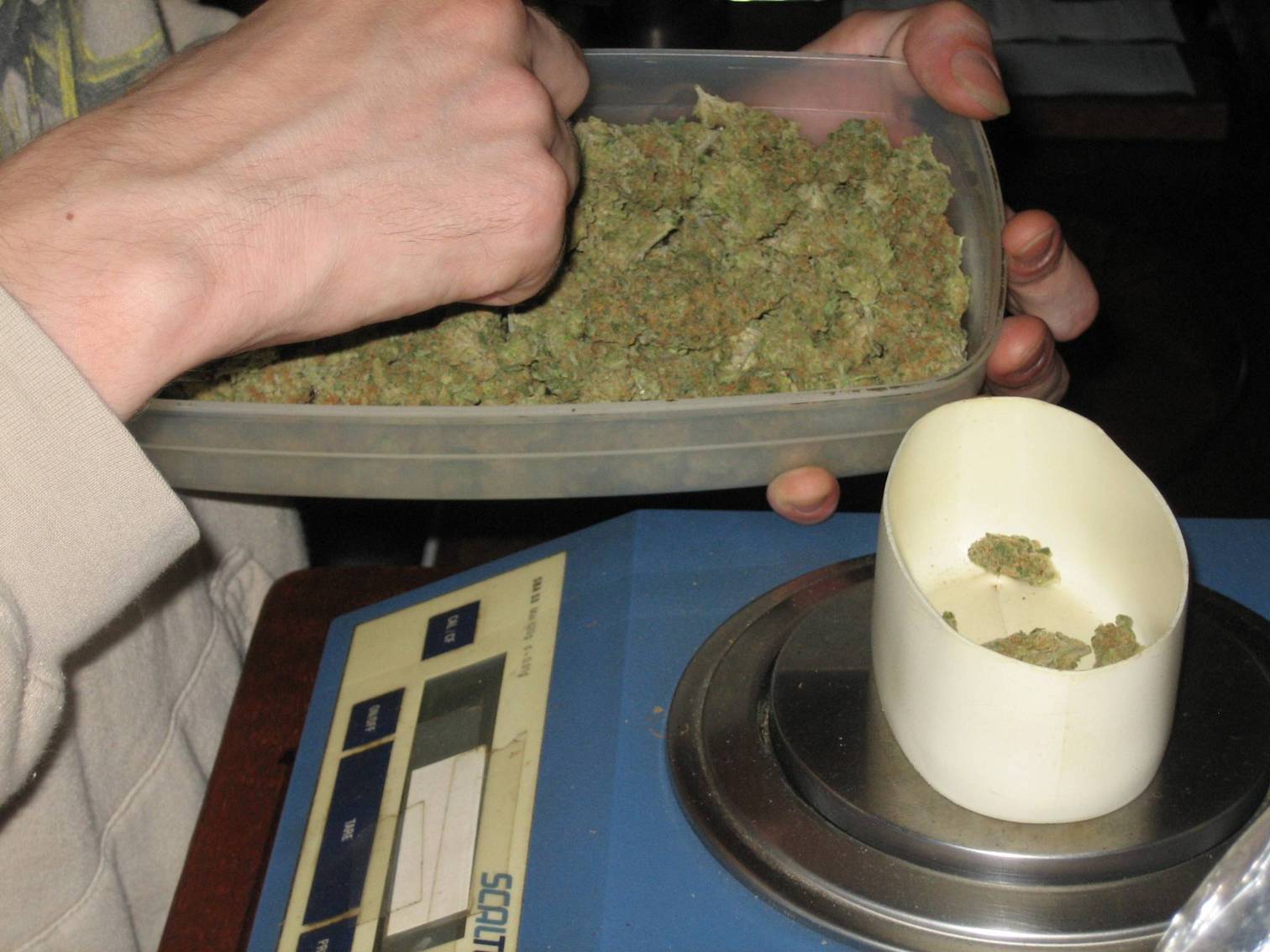
    Here’s the money shot, as he weighs out some marijuana to sell.
    Many tourists don’t even know there are canals in the city until after they arrive in Amsterdam.
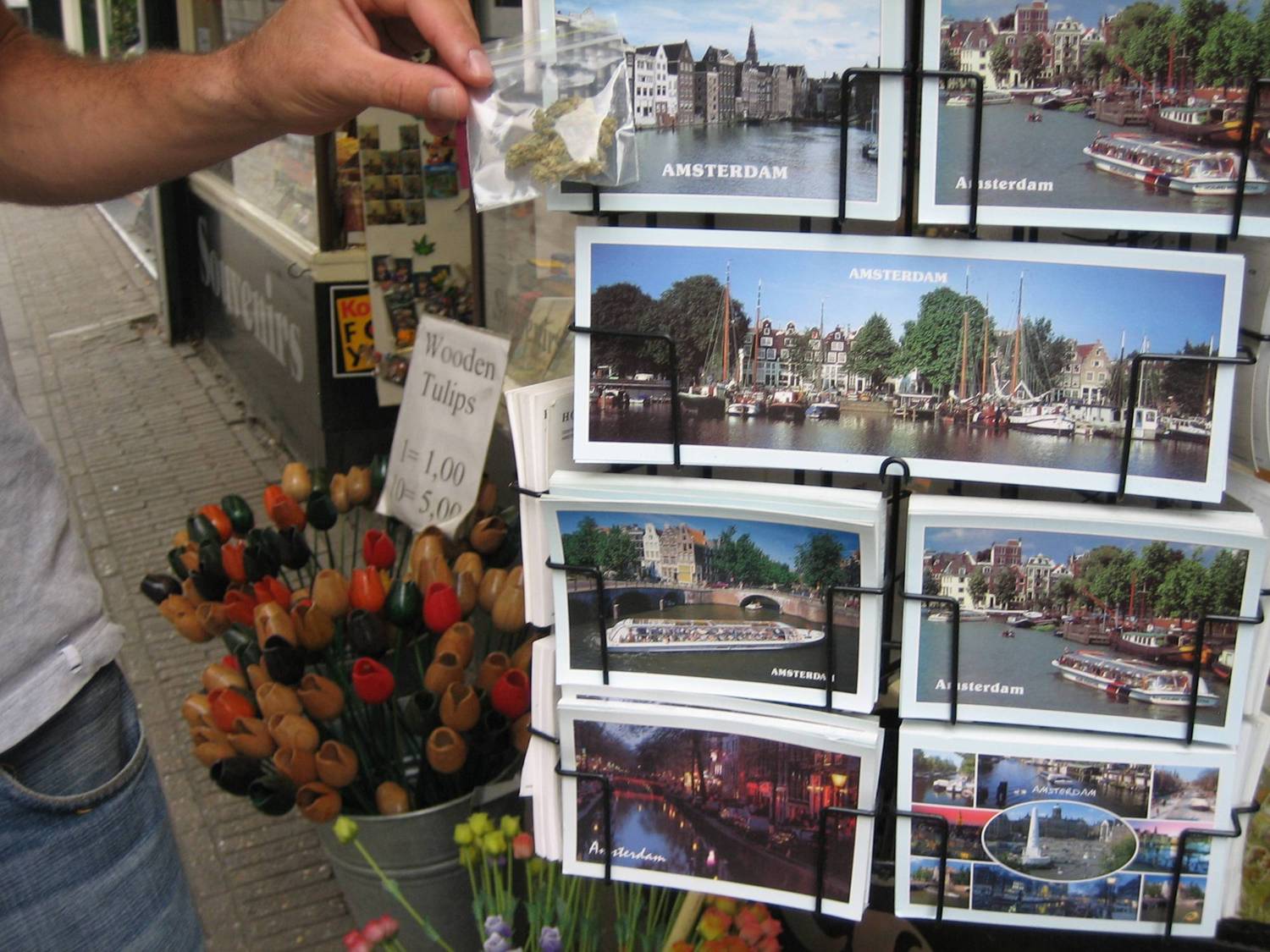
    They also sell pre-rolled joints, mixed with tobacco. In Holland, smoking marijuana straight is considered a bit gauche. Hell, in Holland, smoking marijuana at all is considered a bit gauche.
    It’s that easy. So what’s the result? A nation of stoners? No. In fact, there are fewer marijuana smokers in Holland than there are in the United States. 37% of Americans have tried marijuana compared to 17% of people in the Netherlands. 5.4% of Americans admit to smoking in the past month compared to 3% of the Dutch (and I would imagine the Dutch would be more likely to admit it, since it’s not a crime). Heroin addiction is 1/3 in Holland. Incarceration rates are 1/7. The murder rate is 4 times higher in America. (the cites for these are in my book, Cop in the Hood, and also here.)

    Fewer drug users. Fewer addicts. Fewer prisoners. Fewer overdoses. Less violence. Less money spent on drug-related problems. No money spent on a “war on drugs.”

    Could it work here? I don’t know. But why aren’t we even considering it?
  • “Hard” versus “soft” drugs

    The Dutch make an interesting and useful distinction between “hard” and “soft” drugs. When a Amsterdam police officer says, “I think drugs should be illegal and dealers should go to prison,” they’re almost assuredly talking about “hard” drugs like crack and heroin. Marijuana and hashish are considered “soft” drugs and were decriminalized in 1976.

    The result is that “coffee shops” selling weed and hash appeared, since people knew you wouldn’t get arrested for possession.

    When the hard/soft distinction was made, the idea was to accept marijuana for what it is and allow people to buy weed without having to deal with drug dealers and guns and gangsters.

    The hard/soft distinction is somewhat arbitrary. But no more so than our distinctions between legal, prescription, and prohibited drugs.

    There is also some debate about whether to classify ecstasy and hallucinogenic mushrooms as hard or soft.

    Dutch police generally support the hard/soft distinction and would not want to close “coffee shops,” even if they could. In speech, they use “drug” to mean “hard drug.”

    When I asked a police officer to clarify the distinction between “hard” and “soft” drugs, she said a hard drug is one that, “if you do it wrong, you can die.” That’s not a bad working definition. Particularly because it presents the problem of drug policy as geared to saving lives, and not imposing morals or punishing deviants.

    Of course I think all drugs should be regulated, but I would settle for a system where no drug user is jailed, violence is low, and drug use is seen as a public-health rather than criminal-justice issue.

  • A night of fieldwork in Amsterdam

    A night of fieldwork in Amsterdam

    I often wonder why anybody would prefer to crunch numbers than do fun qualitative research.

    I’m in Amsterdam right now. I made contact with and successfully gained access to my desired police station tonight (to make a long story short).

    I want to compare the attitude toward drugs of Baltimore and Amsterdam police officers. These attitudes are very different. Even the most conservative of Dutch cops thinks that people should be able to purchase and smoke weed in “coffee shops.” No Dutch cop thinks that drug users should rot in prison. Most Dutch cops think that punishment needs to be harsher for dealers of “hard drugs” (crack and heroin).

    I meet the chief. He is both friendly and smart. And welcoming to an outside American research he doesn’t know. I interview him and some of his main men. Then I ask to talk to some low-level cops, doing the kind of work I did. I am passed around to various police officers and interview them all.

    As a cop, I’m impressed with the free coffee machine. It makes much better coffee than the machines they used to have when I did research here 10 years ago in de Pijp.

    Next to the coffee machines is a box of free sandwiches. While the cop in me loves free food. I pass on the broodjes. I think it’s strange that the police here make such an effort to keep cops from taking free food outside the police station that they prefer the cops to eat and drink without leaving the police station. Is that a victory?

    One police officer asks me if I want to join some plain-clothes officers on their patrol of the Red Light District. Sure, I say. So I do.

    The big problem of the area is not drug use or prostitution. Prostitution is legal here. Marijuana and hash can be legally bought in any of many legal “coffee shops.” The big problem of the vice-filled center in this city of sin is, get this, fake-drug dealers.

    People who stand on bridges trying to get stupid tourists to buy drugs. Except they don’t have drugs. And they might take you into an alley and rob you. It’s not much of a crime here to sell baking soda. So it’s hard to get rid of these guys. And they really are a terrible P.R. problem for Amsterdam.

    So many tourists come here and think, “This city is so overrun with drugs. I mean, there’s a drug dealer standing on every corner!” There’s not a drug dealer on every corner. But there is a man trying to sell you fake drugs on most bridges in this very small part of the city where all the tourists walk around to do their vice-related slumming tour. (Can you imagine if Baltimore’s Eastern District was a tourist attraction… and it was perceived to represent the whole city?)

    These cops, a man and a women, have been on this detail for three months. So all the bad guys know them, uniform or not.
    You can see this as the guys look down and slink away when they see the plain-clothed police.

    So the cops ask me to walk in front of them so people would proposition me (really, I’m not well known in the Red Light District). So I do. It’s raining for the first time in days, so the streets are relatively empty. But after maybe 1/2 an hour, I walk by a man.
    He says, “Cocaine?”
    I say, “What?”
    He says, “You want to buy cocaine, heroin, ecstasy?”
    That’s it. That’s what they need for the arrest.
    I say, “How much?”
    He says, “Follow me.”
    I say, “No thanks.” And, using our pre-arranged sign, I take off my hat. I walk away. The officers, close behind and in listening range, make the arrest.

    This is such small-scale stuff for a Baltimore cop. But it’s been years since I’ve been part of the action. Hell, I never even worked plain-clothes. My heart is beating fast as I enjoy the small surge of adrenaline. It’s fun to be back in the game, even if in a very small way.

    These cops have arrested this guy before. He is walked (rather freely, in my opinion) back to the police station. He is treated very politely and very humanly.

    The prisoner is guilty of the very minor crime of offering (non) drugs. That’s a 150 euro fine. But he doesn’t have any real drugs on him, except his prescription meds. But he’s also guilty of violating his 3-month banishment order (issued four days ago) for the same crime. By law, he must stay out of the city center. Yes, in Europe, you can still be banished. Now he’ll get (re)offered a place to sleep and social help.

    Unlike American police, most Dutch police are happy to offer social help.
    “Really? Is that real police work?” I asked.
    “Yes, because it helps solve the problem…. Isn’t it better to prevent a crime than make an arrest?” I couldn’t have said it better myself.

  • A sociology dissertation thesis?

    Feel free to steal this idea:

    For centuries, the Netherlands has tried to “normalize” their society. While it may have worked in the past, today “normalization” is killing Amsterdam. What makes Amsterdam great and unique, is that it isn’t a “normal” city.

    In Holland, they have a different idea of democracy. The mayor of Amsterdam isn’t even an elected position. He’s appointed. Imagine if George Bush appointed the mayor of New York City.

  • Amsterdam police station

    Amsterdam police station

    Here’s one of the least intimidating police stations you may ever see. In Osdorp, Amsterdam.

  • “Bad” part of town

    “Bad” part of town

    In Amsterdam, it can take a somewhat trained eye to even know you’re in the “bad” part of town.

    First, there’s the immigrant issue. Actually the issue is more with the children (the male children) of immigrants. Immigrants, and not just illegal immigrants, are considered a problem here and in most of Western Europe. Citizens of Moroccan decent take most of the blame here. Some–but not all–of it deserved.

    Here, for instance, are three youths blocking the bike path. Just because they can. Dudes, you’re so cool. So tough. So I had to bike around them on the grass.

    Then there’s this picture:
    To an American, it probably looks innocuous. But to many Dutch people, this gives reason to not want to live in the neighborhood.

    It’s not the blah architecture. Or the largely failed suburban vision in an urban area. It’s the satellite dishes. In Holland, many people consider satellite dishes a blight and a figurative “Broken Window.” They’re aimed at Turkish and Moroccan TV stations. It means the residents aren’t really “Dutch.” It means there are more mosques than churches. It means the crime rate is higher. It means there are troublesome Moroccan youths hanging out. At least that’s how it’s seen.

    It should be noted that even in the “bad” part of town, there’s a pretty canal to stroll down.(that’s my brother posing)

    And more desirable middle-class–even upscale–housing being built across the street.

  • These drug dealers aren’t so bad

    These drug dealers aren’t so bad

    In the Netherlands, you can walk into any “coffee shop” and legally buy or smoke marijuana or hashish. It’s a sight so common, you barely notice it. So here, in a “bad” part of town, are the drug dealers. They don’t shoot each other. They pay taxes–albeit not on the sale, which is technically only “decriminalized,” but they do pay income taxes based on the sales. It’s hard to understand how people can think that regulated drug selling is worse than unregulated drug sellers.

  • No joint smoking

    No joint smoking

    It’s my Spring Break and I’m in Amsterdam doing police research (and visiting friends).

    Biking with my brother today, I passed this sign.

    This is what you can do if you regulate drugs. This sign was put up because it’s an “area deserving special attention” (or something like that). In Amsterdam, this is considered a “bad” part of town. It’s not that bad. Compared to “bad” parts of town in America, it’s heaven.

    And oh yeah, the fine is €50. That’s about $80, with the weak dollar.