Tag: history

  • The more things change… October 14, 1829

    The Commissioners have again to express their great regret that the pay-day has not passed over without the occurrence of several cases of intoxication by members of the Police. The Commissioners have, in the execution of their duty, been compelled to dismiss the individuals guilty of a crime which renders them completely unfit for the Police service, and which cannot and will not be suffered. All the Police are, therefore, for their own sakes, again cautioned to be more on their guard against committing it.

    Duly noted.

    Source: Metropolitan Police. Instructions Orders &c. &c.1836. London: W. Clowes & Sons.

    [I’m on break. Regular blogging will resume in February.]
  • The more things change… October 13, 1829

    The more things change… October 13, 1829

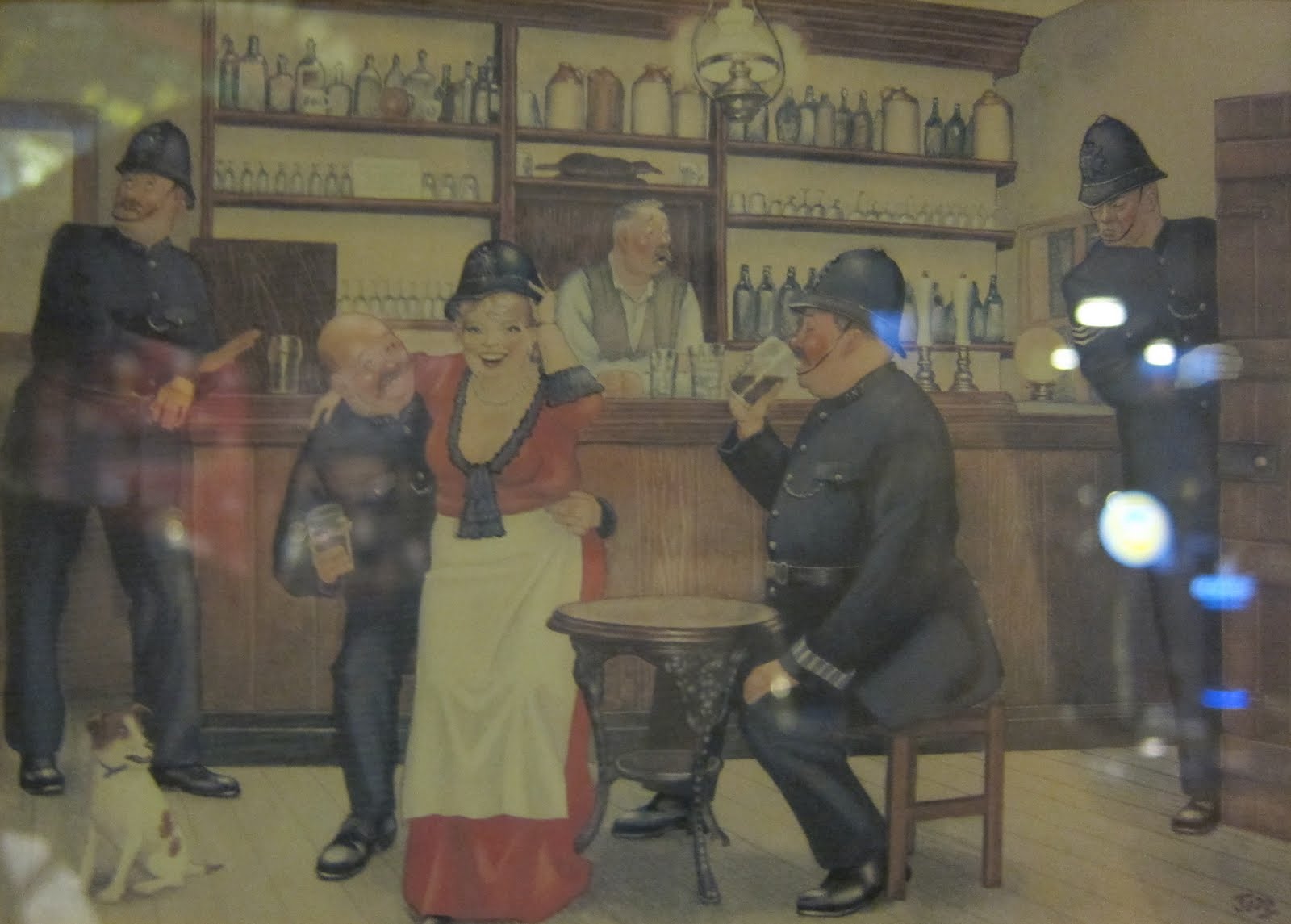
    The Constables are not to go into public houses at night to order the landlord to close his house, or interfere in any other manner with the management or regulation of the house.

    If public houses are disorderly, notice is to be given to the Serjeant, who will report the case to the proper authorities.

    Sergeant: “What are you doing in that bar?!”
    Officer: “I was [hic] just closing it down.”

    Source: Metropolitan Police. Instructions Orders &c. &c.1836. London: W. Clowes & Sons. And the picture from a pub near Bramshill, England.

    [I’m on break. Regular blogging will resume in February.]

  • The more things change… October 11, 1829

    Any man reported for endearvouring to conceal his number, or refusing to shew (sic) or tell it when properly asked, will be dismissed, as such concealment or denial can only be caused by having done something he is ashamed of.

    Source: Metropolitan Police. Instructions Orders &c. &c.1836. London: W. Clowes & Sons.

    [I’m on break. Regular blogging will resume in February.]
  • A few different eras

    That’s me in 2011, holding a 1950’s radio and a 19th century lantern.


    [I’m on break. Regular blogging will resume in February.]

  • The more things change… October 6, 1829

    Looks like there may be a little problem with sergeants not keeping order.

    The Police Serjeants (sic) are again cautioned, that the manner in which they make their patrol, and march their reliefs along the streets, is constantly observed by the Commissioners, and if the Duty is not done strictly according to order, in silence and regularity, the Serjeant will not long retain his situation.

    Source: Metropolitan Police. Instructions Orders &c. &c.1836. London: W. Clowes & Sons.

    [I’m on break. Regular blogging will resume in February.]

  • How to stop cars

    Just flip up the red filter and press the button to stop cars at night!


    [I’m on break. Regular blogging will resume in February.]

  • The more things change… October 3, 1829

    The attention of the Police is particularly to be directed to the areas and area gates, as person frequently conceal themselves in the area till the Constable on the beat passes, and then commence their operations.

    The Police Constables on Duty are strictly cautioned not to stop or talk together when they meet on the their beats, but merely to exchange a word and pass on; any deviation from this order will be punished.

    The moment a robbery of any kind comes to the knowledge of the Superintendents or Inspectors, a list of the articles stolen will be distributed amongst the men, and sent to all the neighbouring pawnbrokers’ shops, and a memorandum made of the hour at which the communication was made to the pawnbroker.

    Source: Metropolitan police. Instructions Orders &c. &c.1836. London: W. Clowes & Sons.

  • The old days

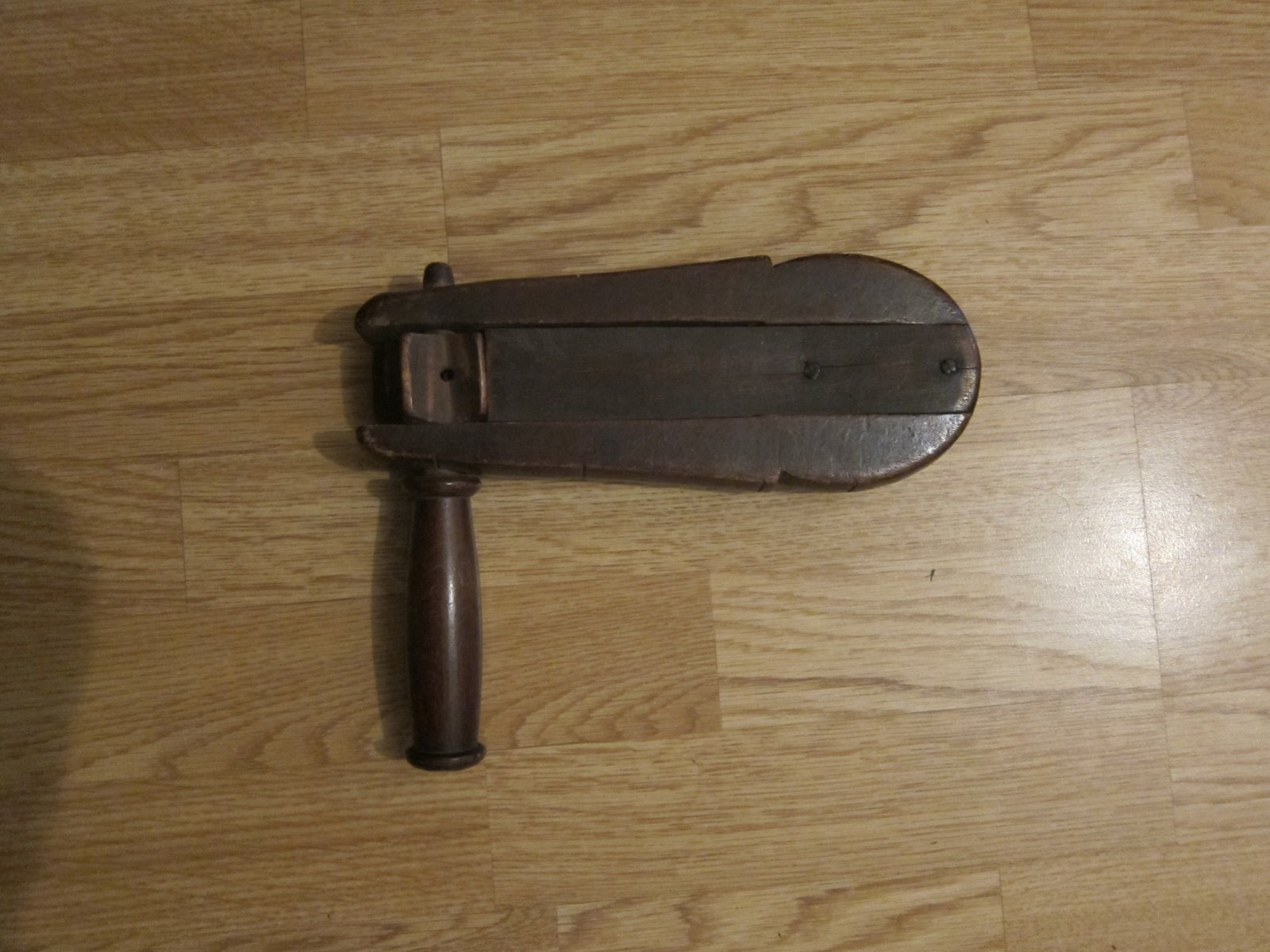
    A nineteenth-century police rattle. Just twirl if you need backup. This was before the radio, before the callbox, and even before the police whistle.


    [I’m on break. Regular blogging will resume in February.]
  • The more things change… September 29, 1829

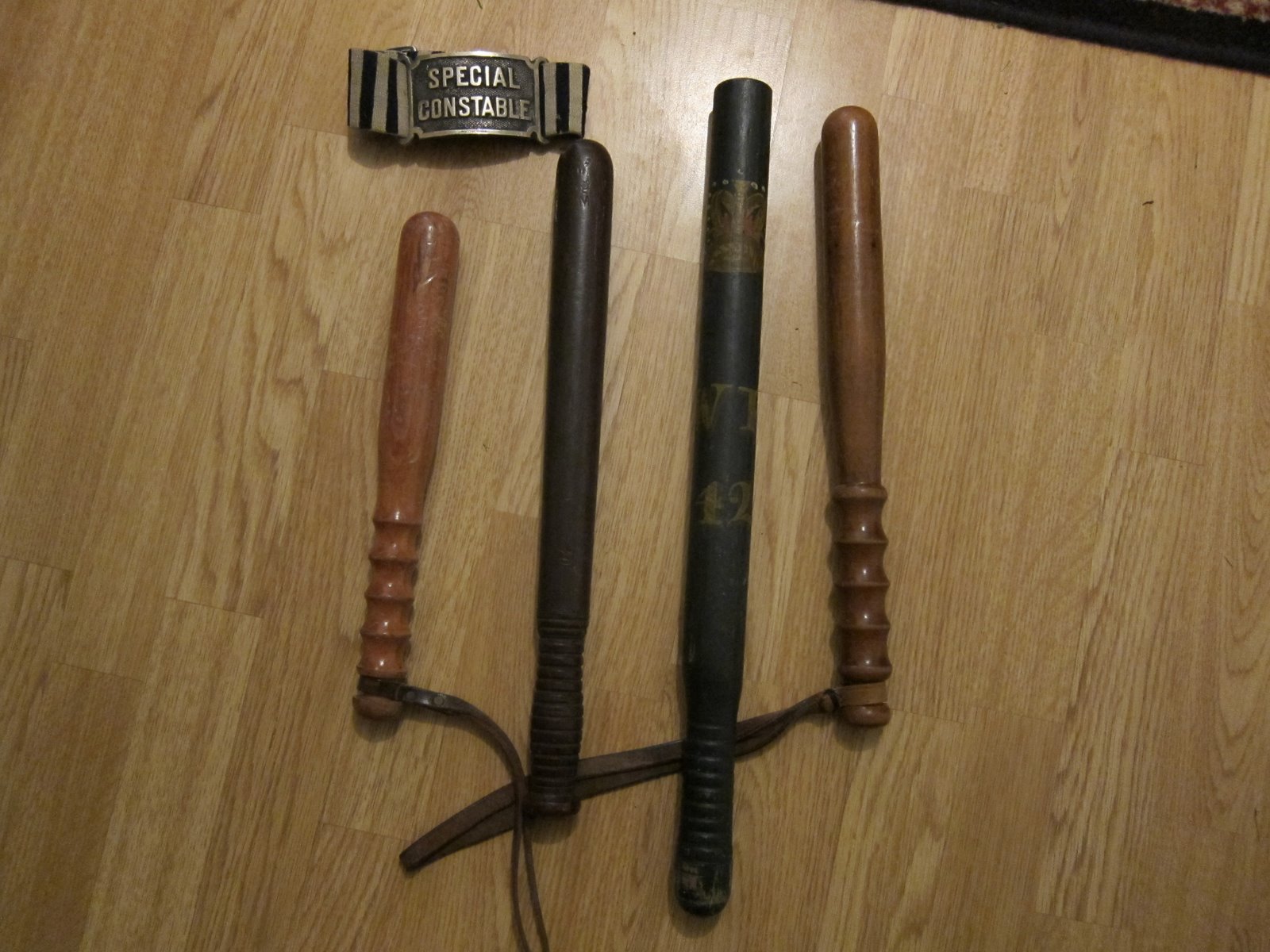
    Here’s the very first new rule, just a few months into London’s experiment with the New Police (and London perhaps was beaten by Edinburgh). Apparently, back in the good old days, officers were drinking, had a bit of a temper, carried umbrellas and other weapons, engaging in idle chit chat, and hide their identification numbers:

    September 29, 1829.—Police Constables should take timely warning from the dismissals that have already taken place; for they may rest assured that no man will be suffered to remain a day on the Police Force who shall be found in the slightest degree intoxicated on Duty; they are also particularly cautioned not to pay attention to any ignorant or silly expressions of ridicule that may be made use of towards them personally, all which they must feel to be beneath their notice.

    They are forbidden to carry sticks or umbrellas in their hands when on Duty.

    They are also strictly forbidden to enter into conversation with any person whatever, except on matters relative to their Duty.

    The Police Constables are particularly desired immediately to give their names, and the Division they belong to, to any person demanding it, until the whole have their clothing and numbered hat-covers for the night Duty.

    Source: Metropolitan Police. Instructions Orders &c. &c.1836. London: W. Clowes & Sons.

    [I’m on break. Regular blogging will resume in February.]