For those interested in an honest police perspective on shooting (and not shooting) people, I recommend Into the Kill Zone: A Cop’s Eye View of Deadly Force by professor and former police officer David Klinger. It’s a lot of 1st-hand accounts of deadly force incidents. And it’s good stuff. You can read an excerpt here.
Copinthehood.com has moved to qualitypolicing.com
-
Sean Bell Verdict May Deepen Mistrust of Police
You can listen to my appearance on the Talk of the Nation radio broadcast.
-
Marijuana Arrest Crusade
I haven’t digested all this yet, but there’s an interesting little brouhaha about a recent study released by the NYCLU by Queens College Professor Harry Levine and Deborah Small. The paper is called, “Marijuana Arrest Crusade: Racial Bias and Police Policy in New York City, 1997-2007.” The report claims that 35,000 people a year are arrested in New York City for marijuana possession. This figure is somehow disputed by the NYPD. I’m not sure who’s right.
[Update: For the record, Prof Levine is absolutely right. See here for more stats and information.]
-
Officer Pete says (rule 29):
Police officers don’t go to work wanting to shoot somebody.
-
Buying drugs in Amsterdam
Buying drugs doesn’t need to involve criminals, violence, and neighborhood blight.
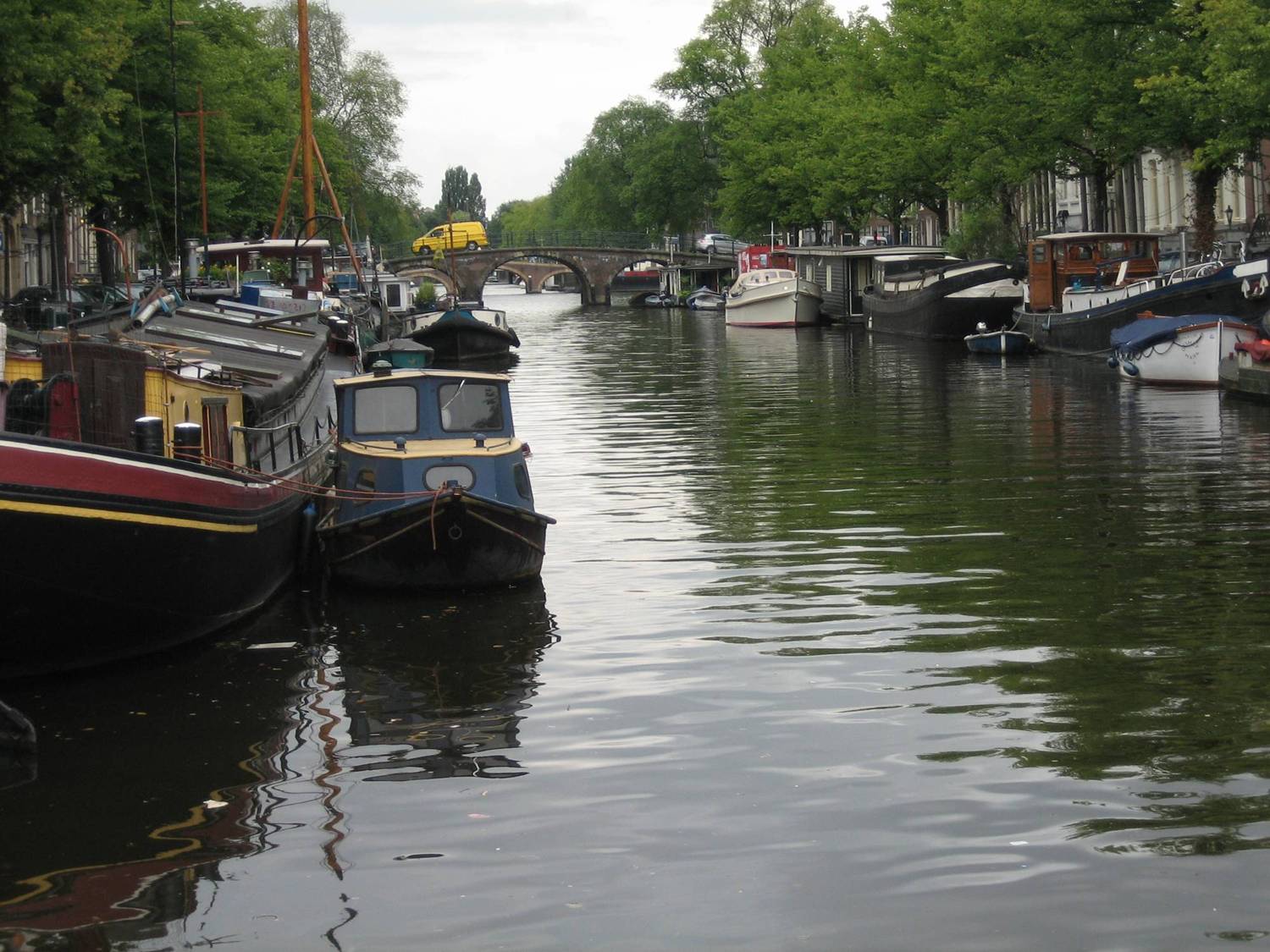
These are pictures I took a few years back of a friend buying drugs in an Amsterdam “coffee shop.” I show it to my classes at John Jay College of Criminal justice.
Amsterdam is a beautiful city of canals and old buildings.
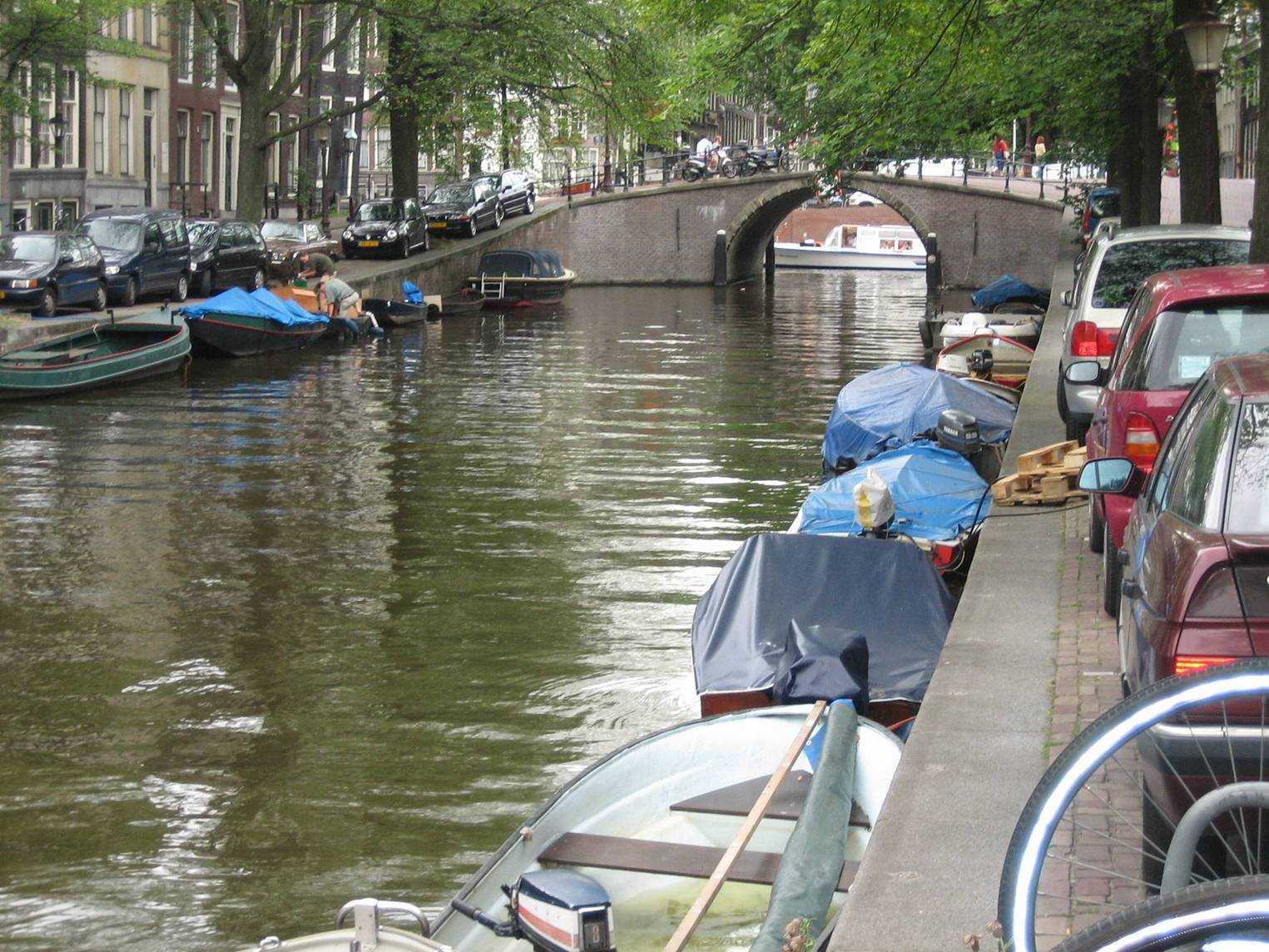
I love being on a boat.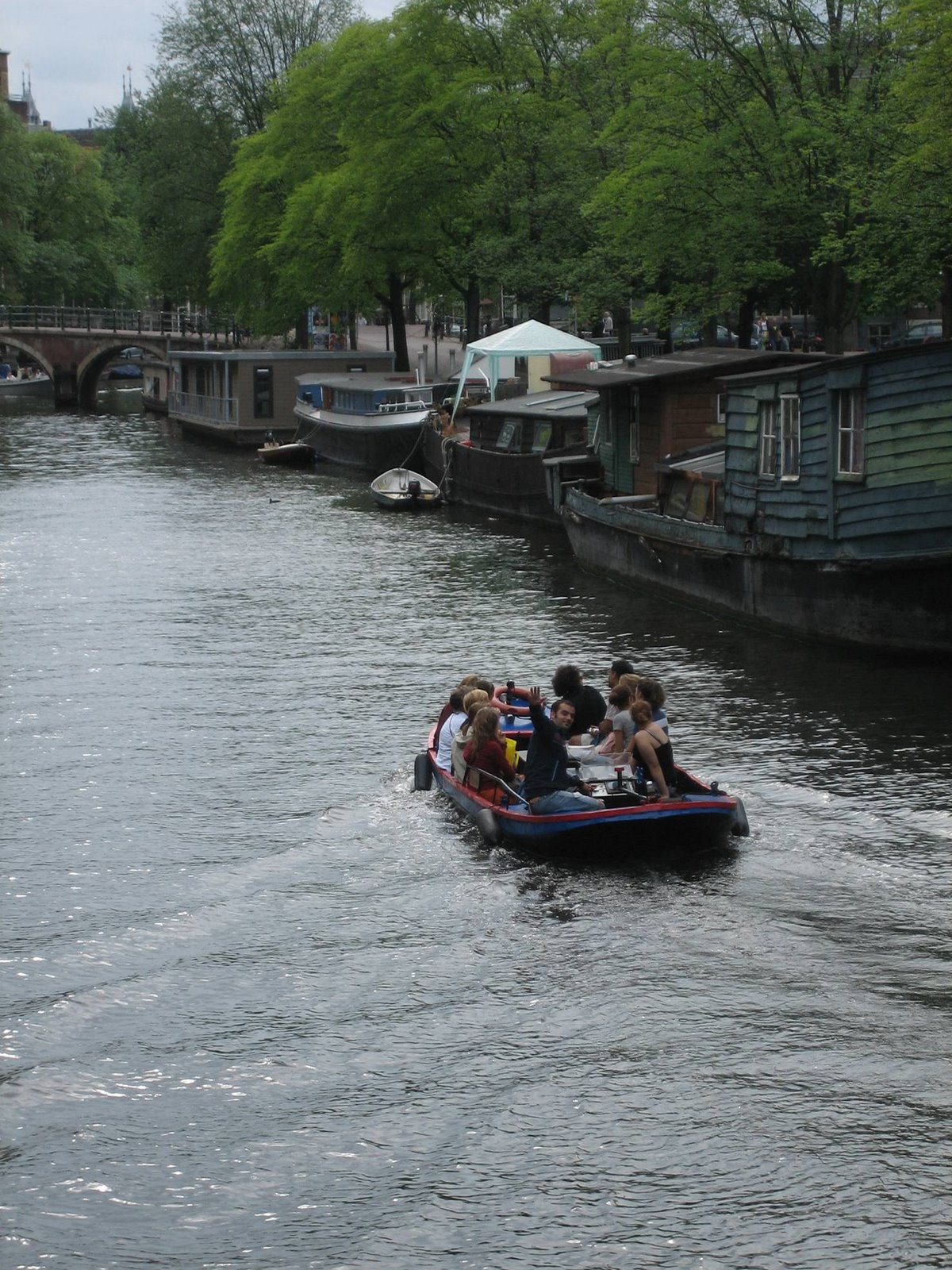
In a nice (and expensive) part of town, there’s a seed store. They’re not selling tulip bulbs here.
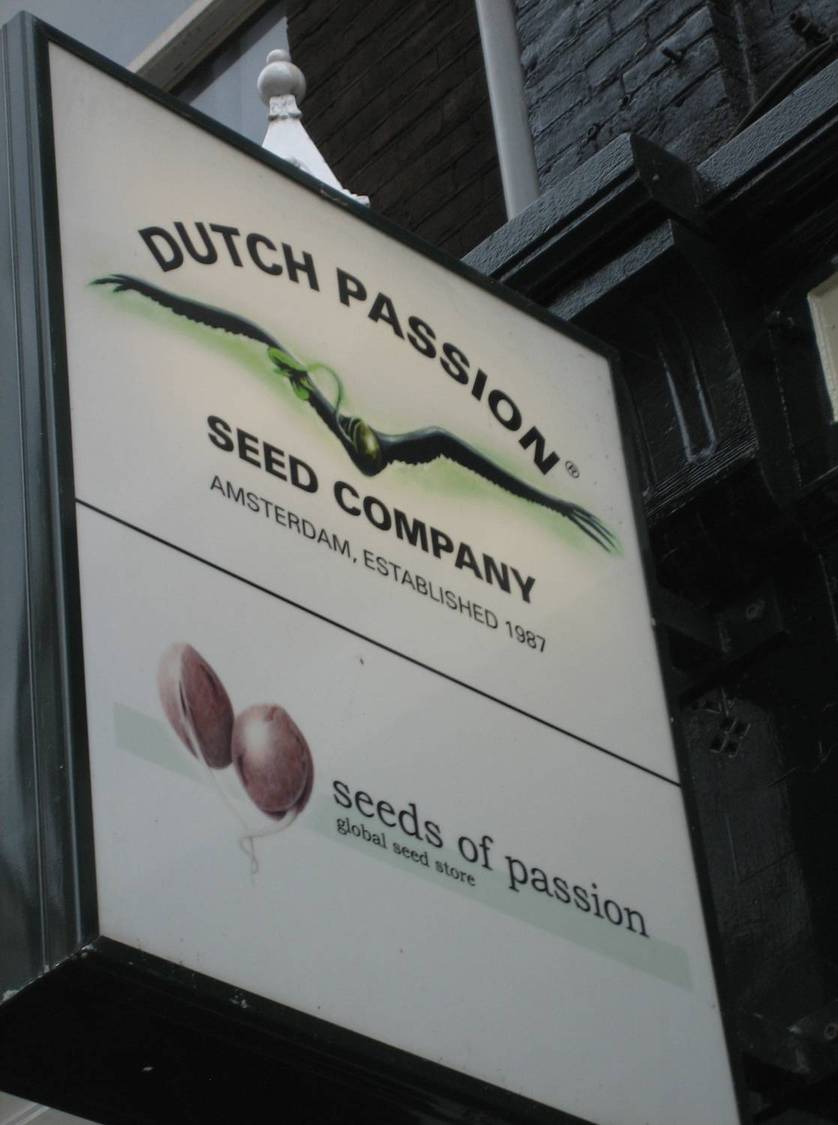
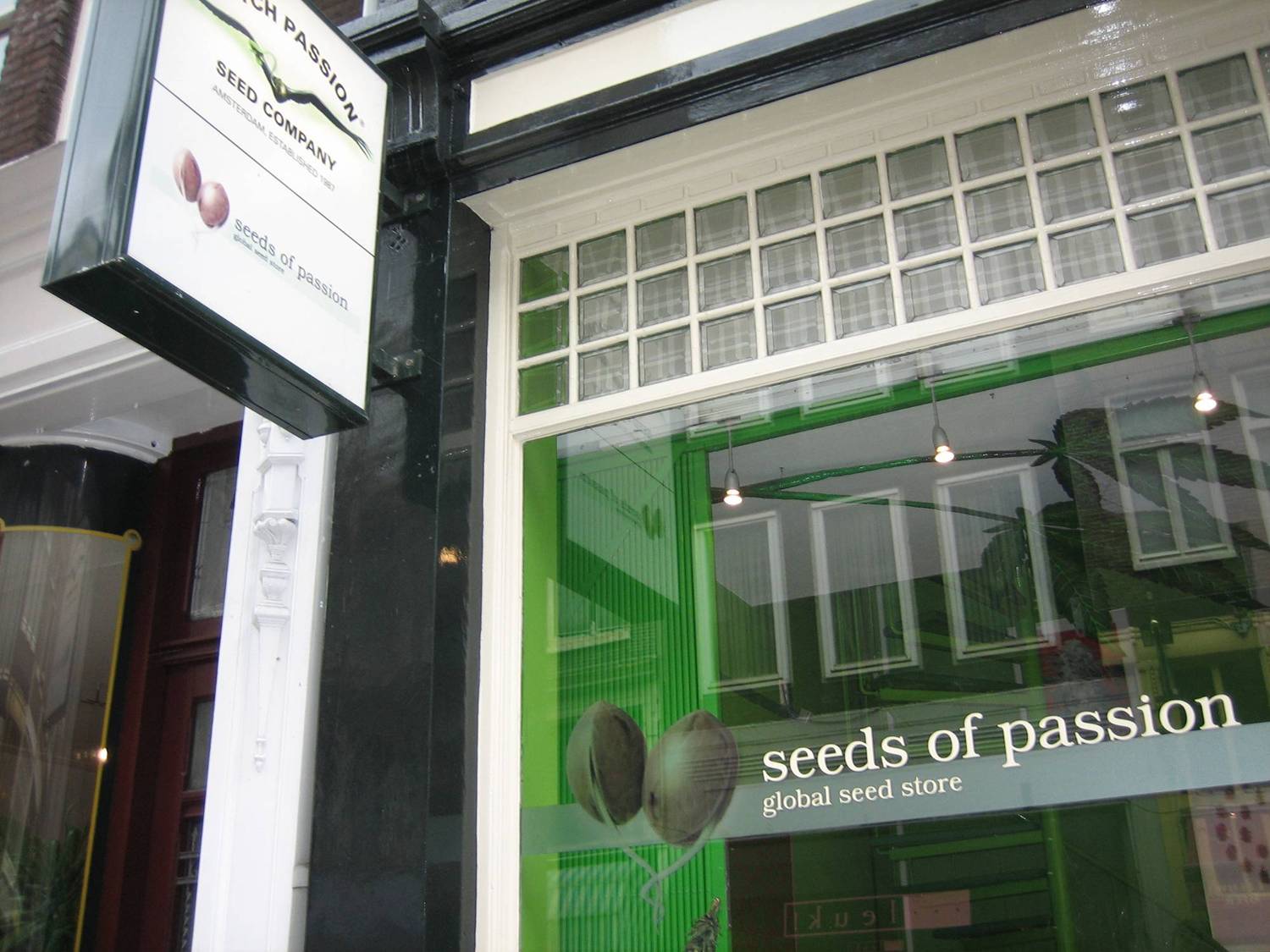
It’s a very sleek and modern store to buy all you need to grow your own dope.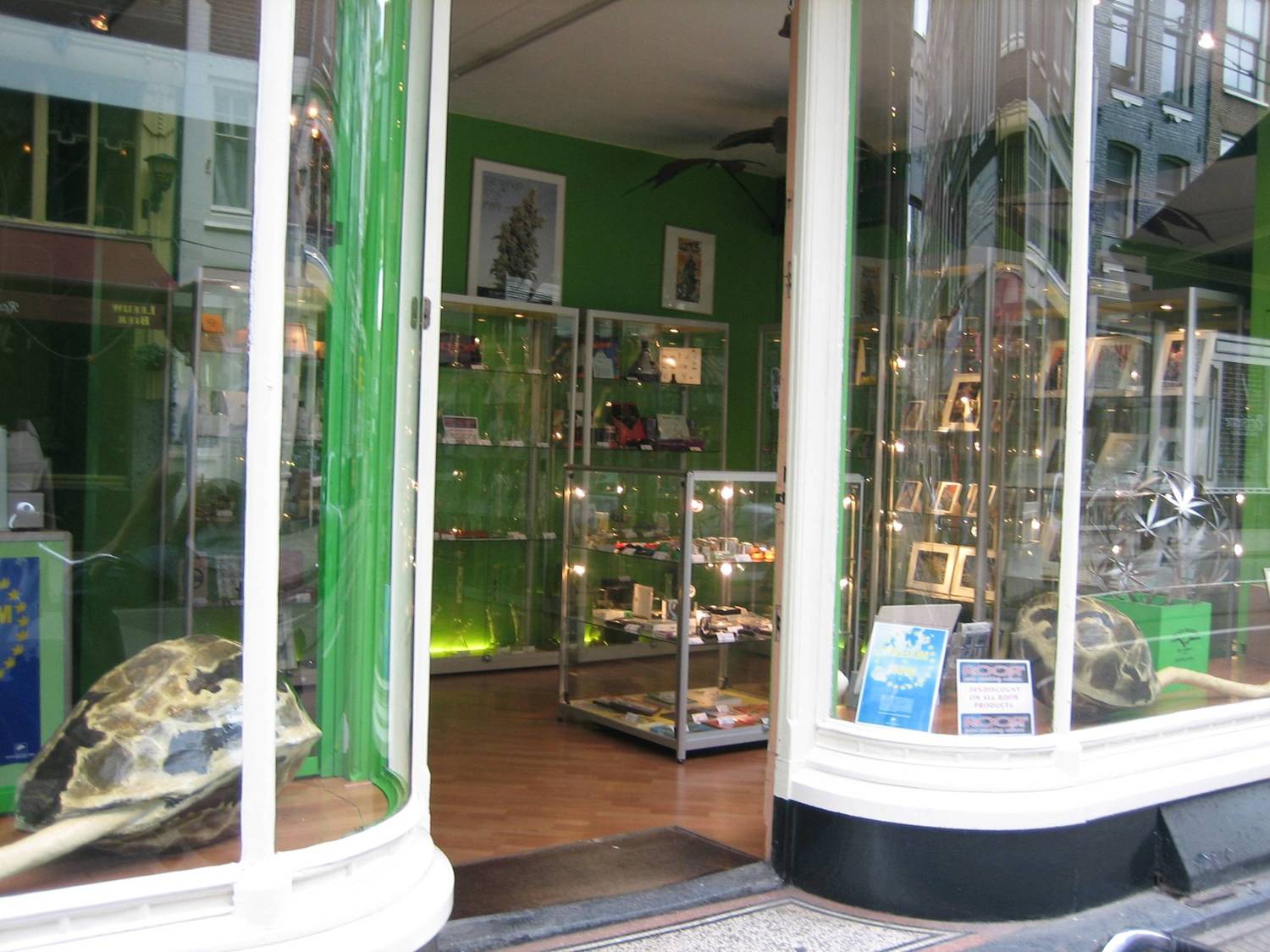
Around the corner, there’s the Hemp Hotel. I don’t think you have to smoke there, but I’m pretty sure they won’t kick you out of their bed if you do.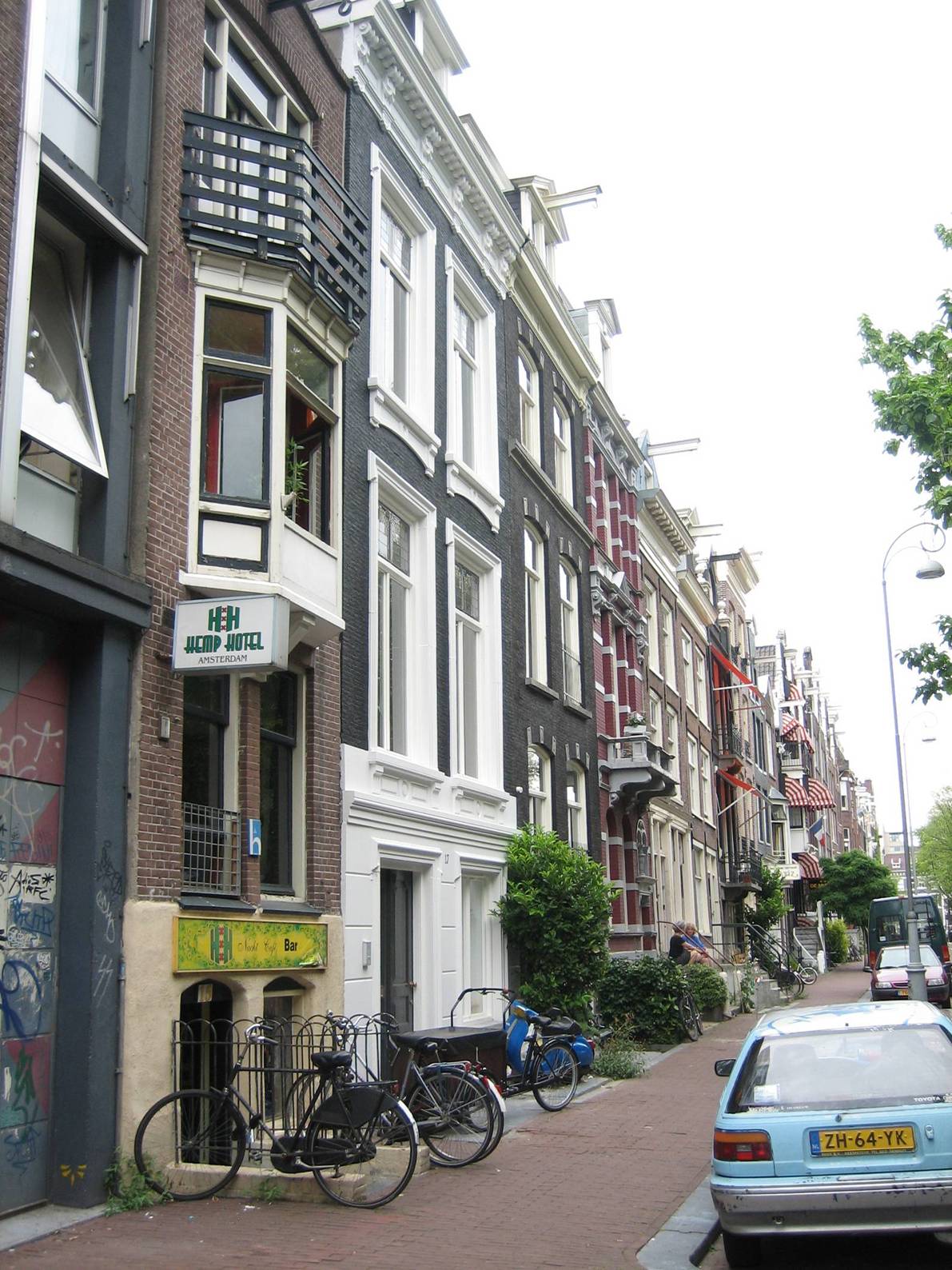
A block away, on the Reguliersgracht (of the Seven Bridges fame).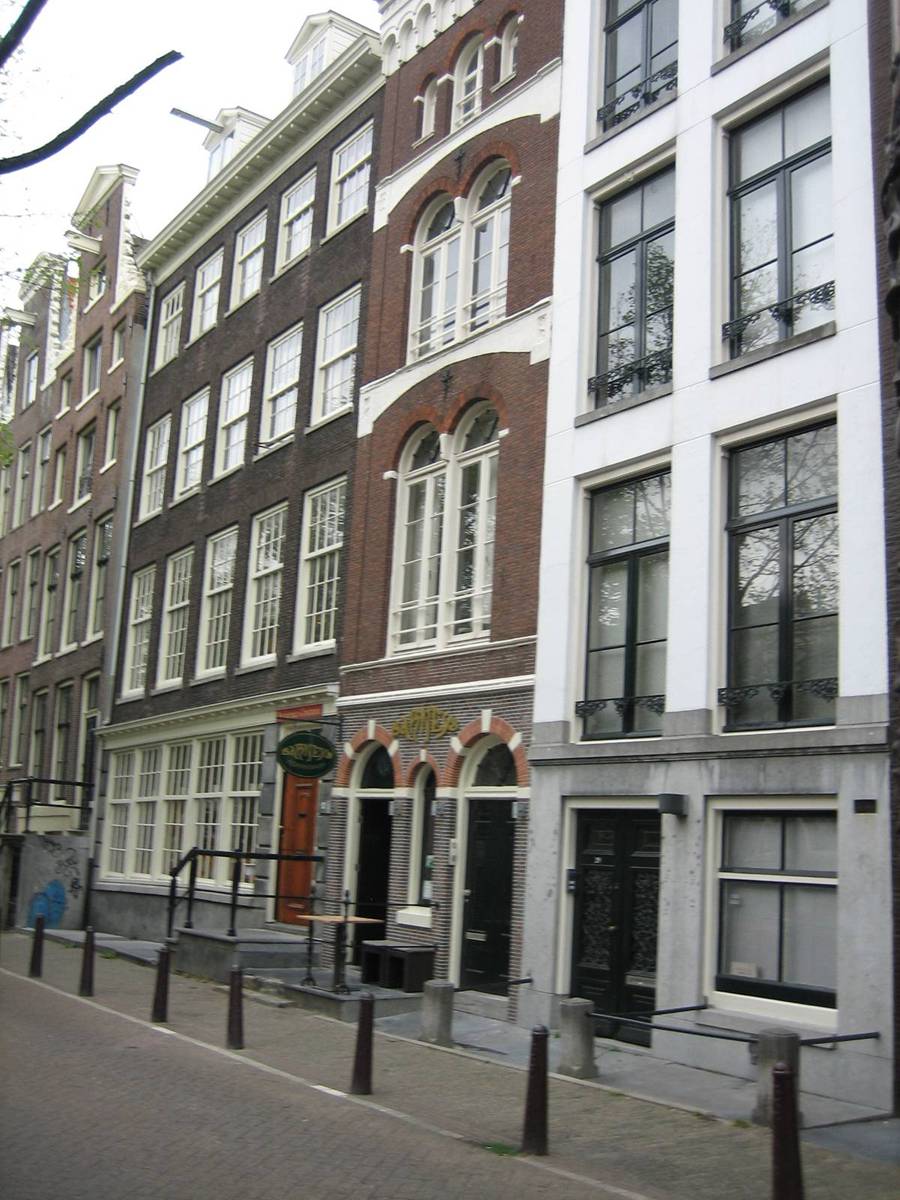
There’s a “coffee shop” selling marijuana and hash. Again, it’s nothing that will lower property values.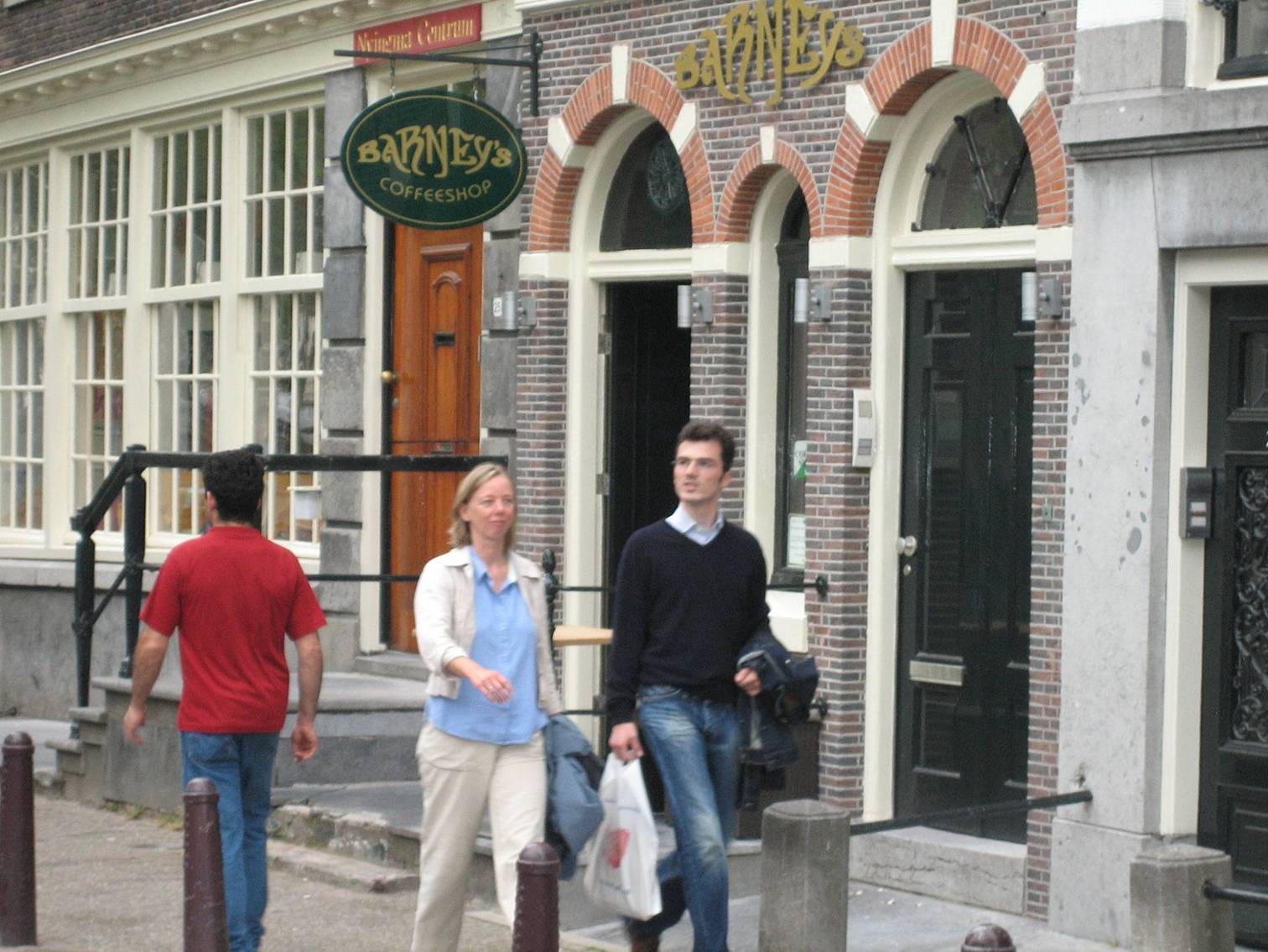
Even the police welcome you!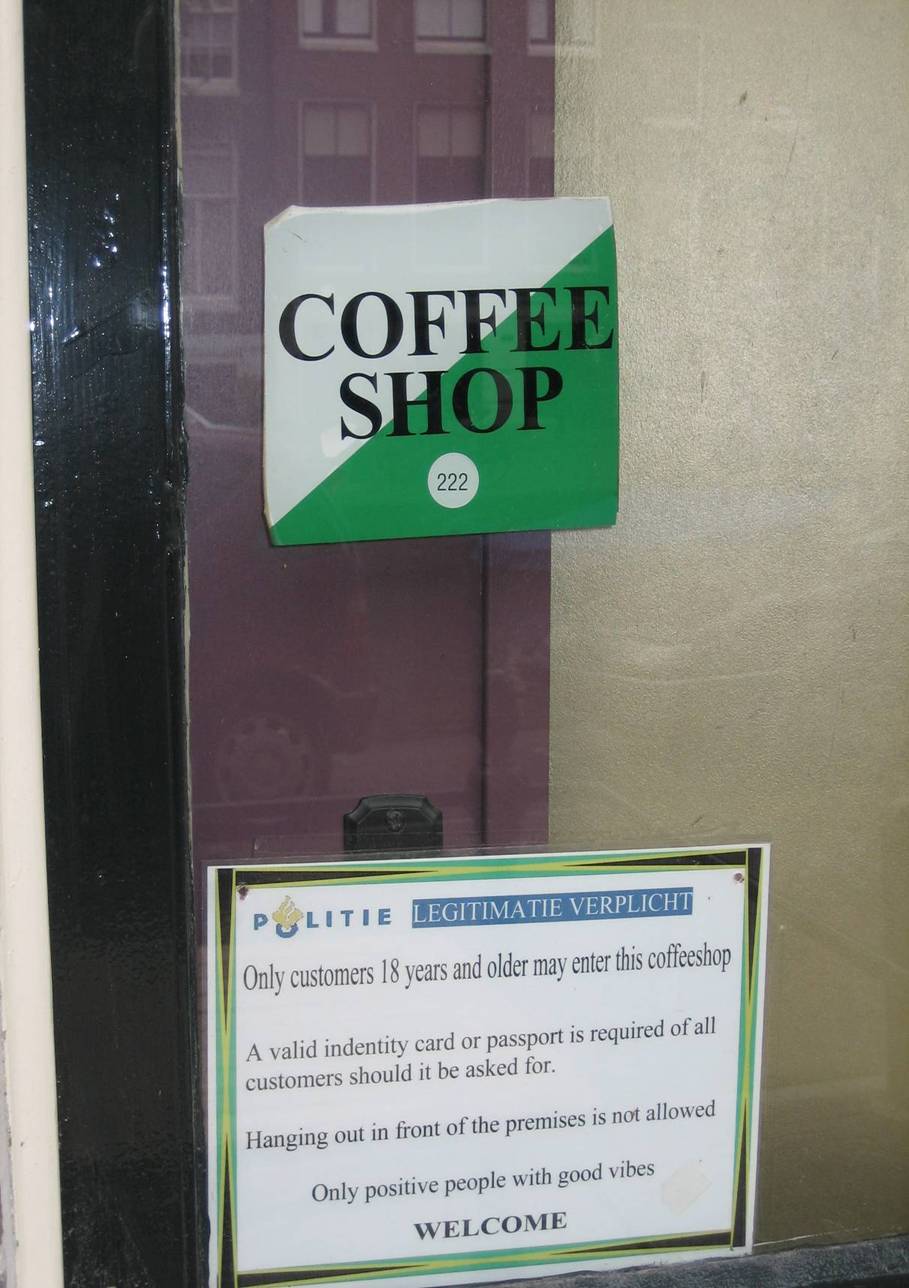
The store is licensed and regulated. It can be shut down by the police for any reason and without cause. But there never is trouble in a “coffee shop.” Partly because, well, why should there be? And also because the owners don’t want to risk losing their license. They know they’re sitting on a cash cow. This coffee shop can be open from 7 to 1AM.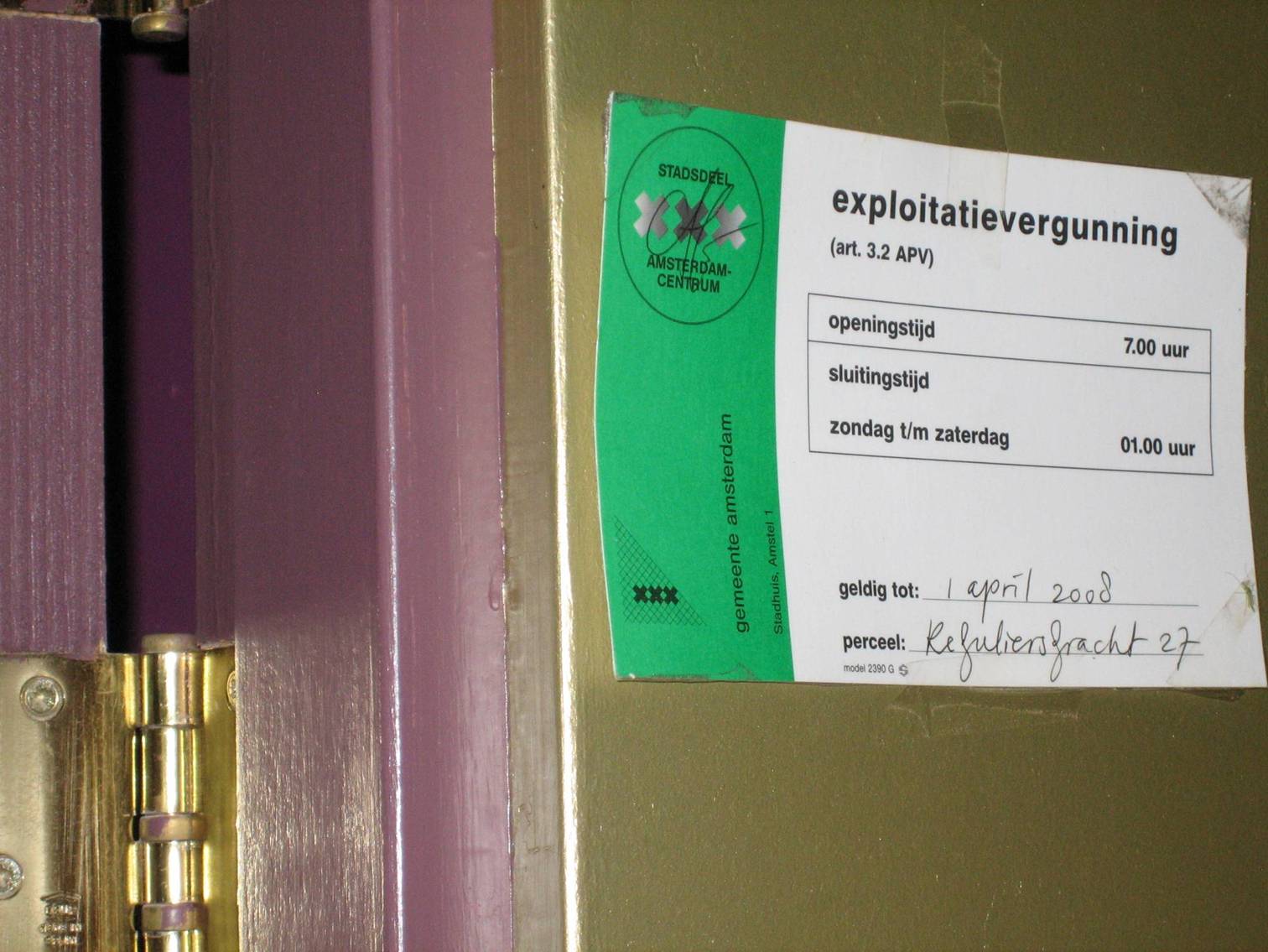
Inside the place looks nice! Nicer than the average “coffee shop.” Much nicer, need I mention, than the average drug corner in Baltimore.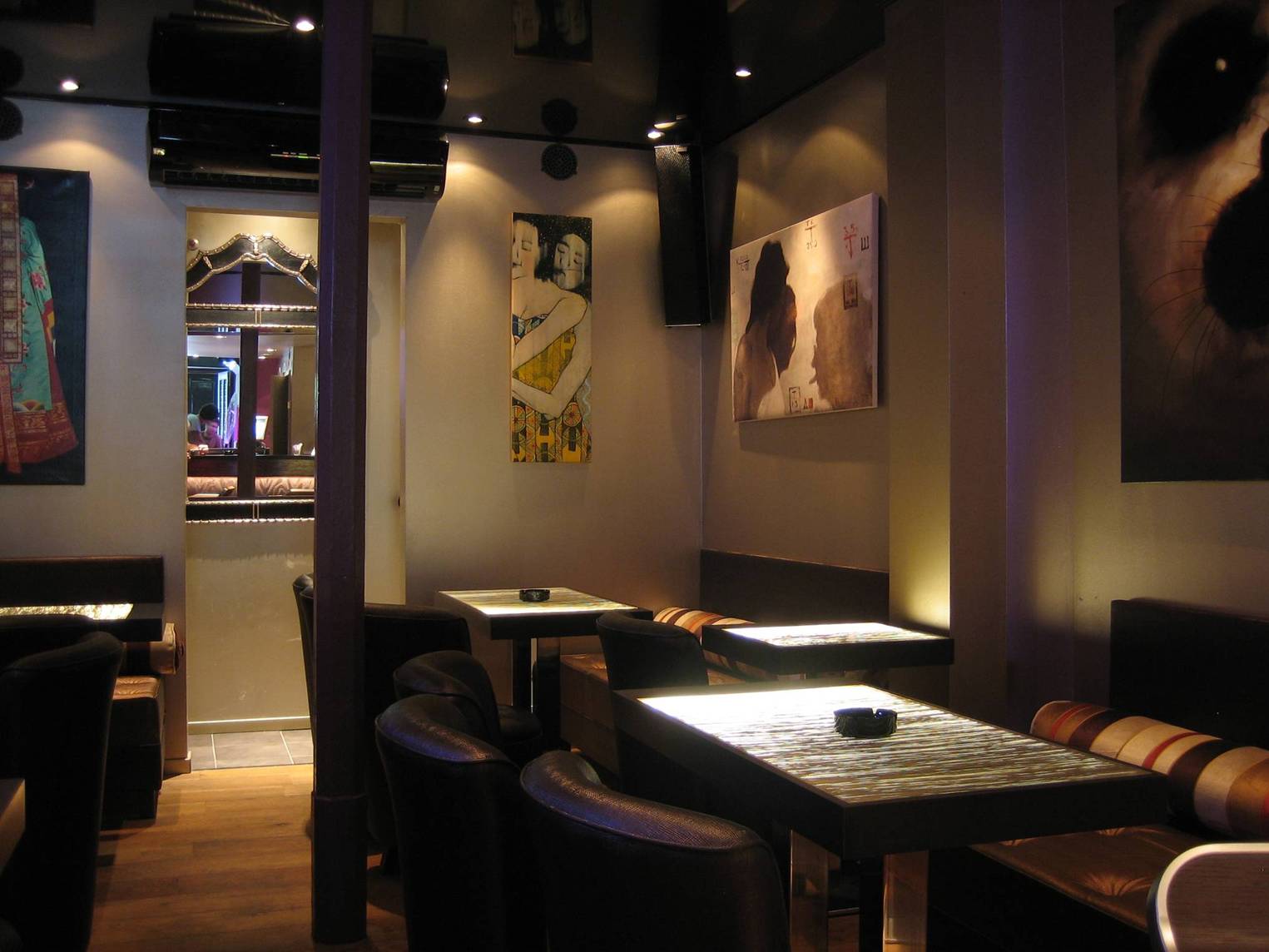
I had to ask my students what this was. How do they know?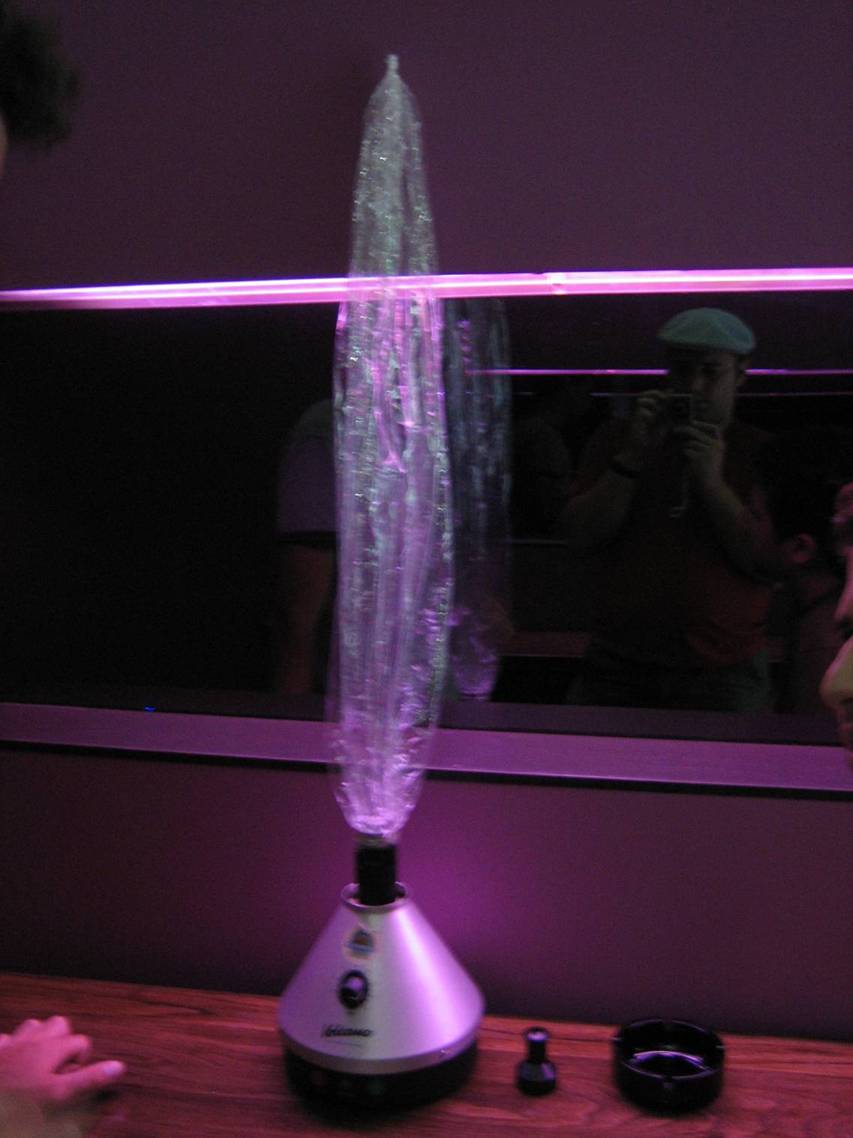
The guy working there was happy to show off the coffee and ice cream, but didn’t want me taking pictures of drugs.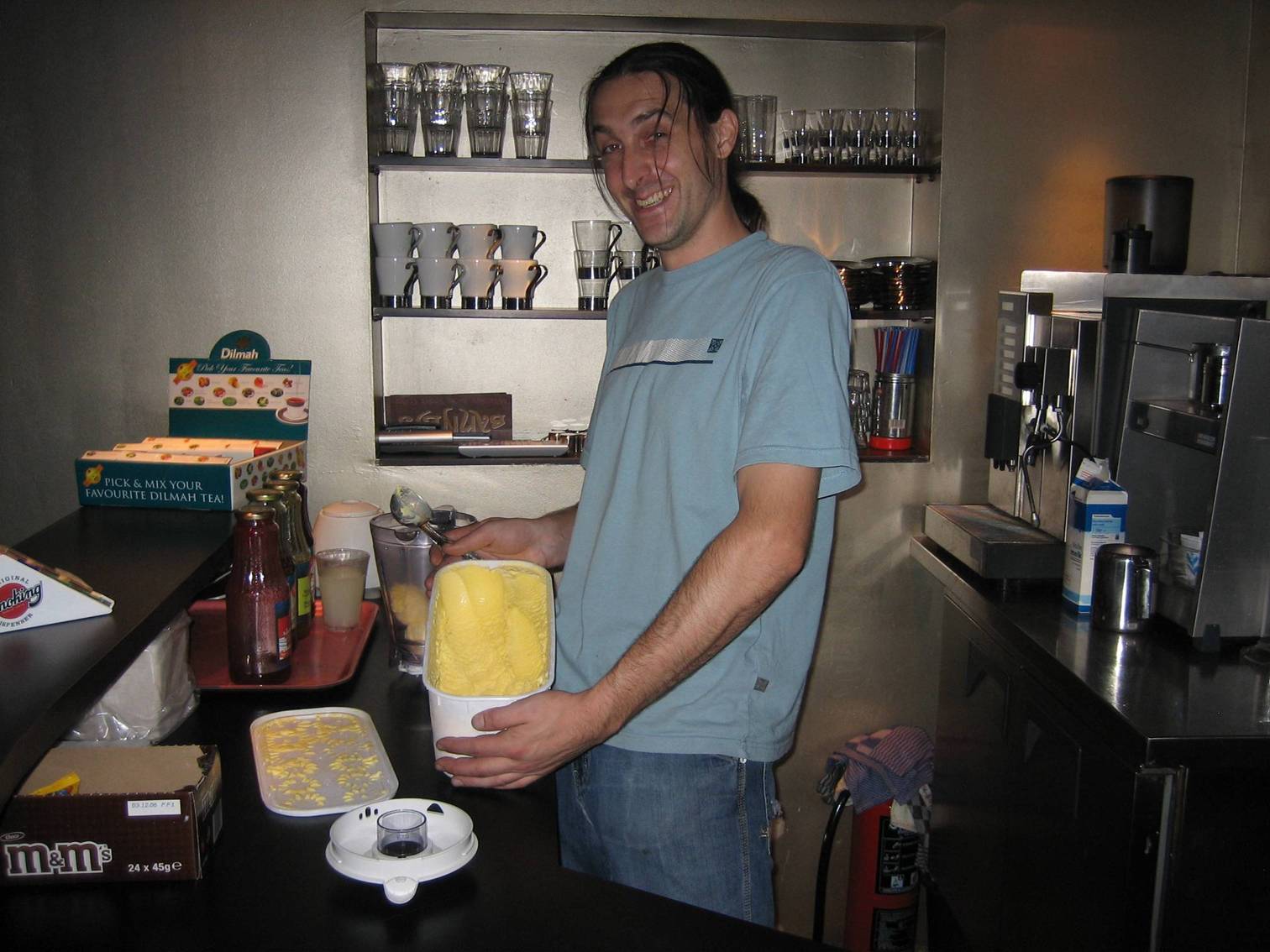
So I went to another coffee shop, across the street from the seed store.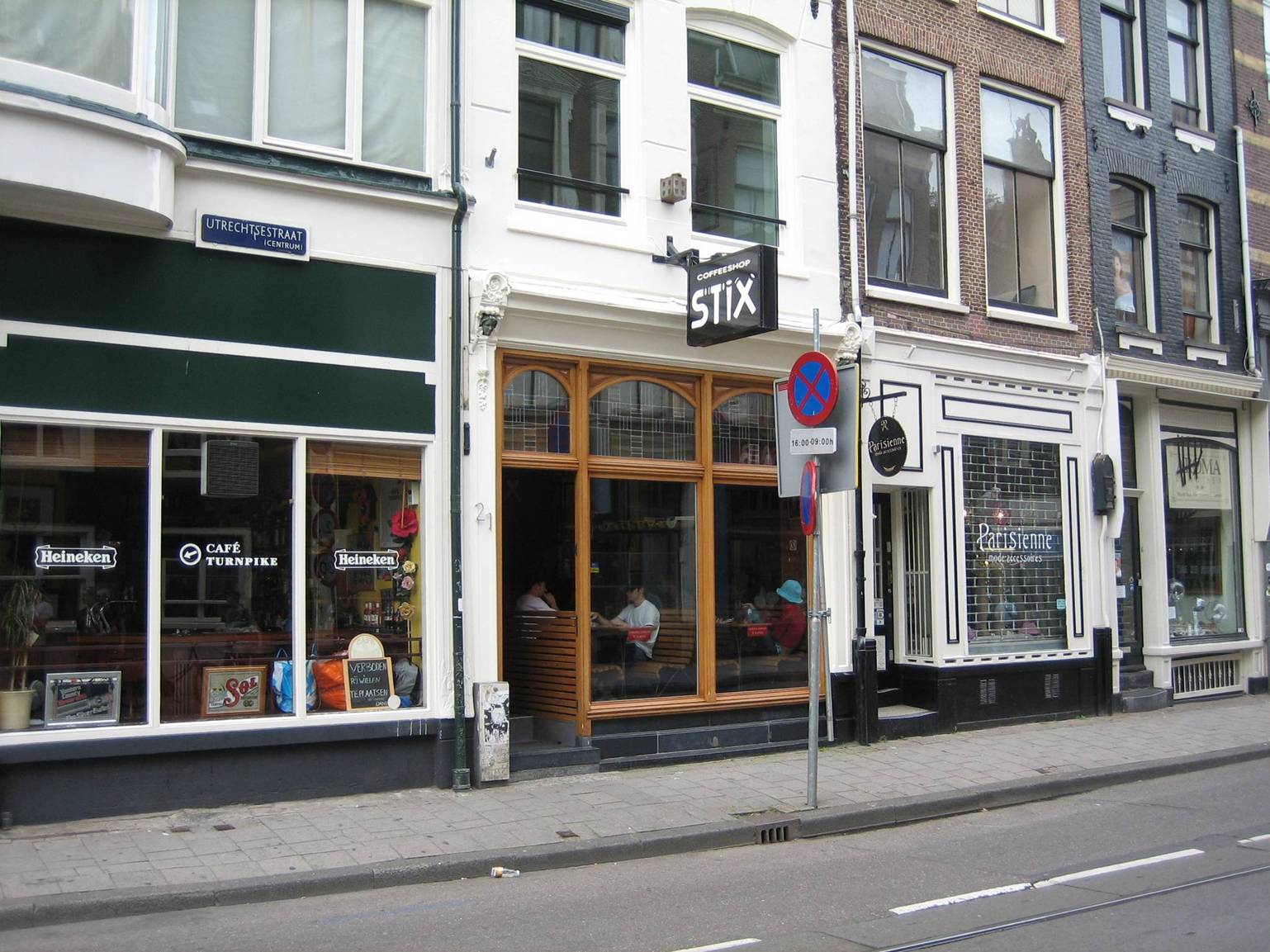
Here’s the menu. Standard cafe stuff except for the filters, screens, and rolling papers.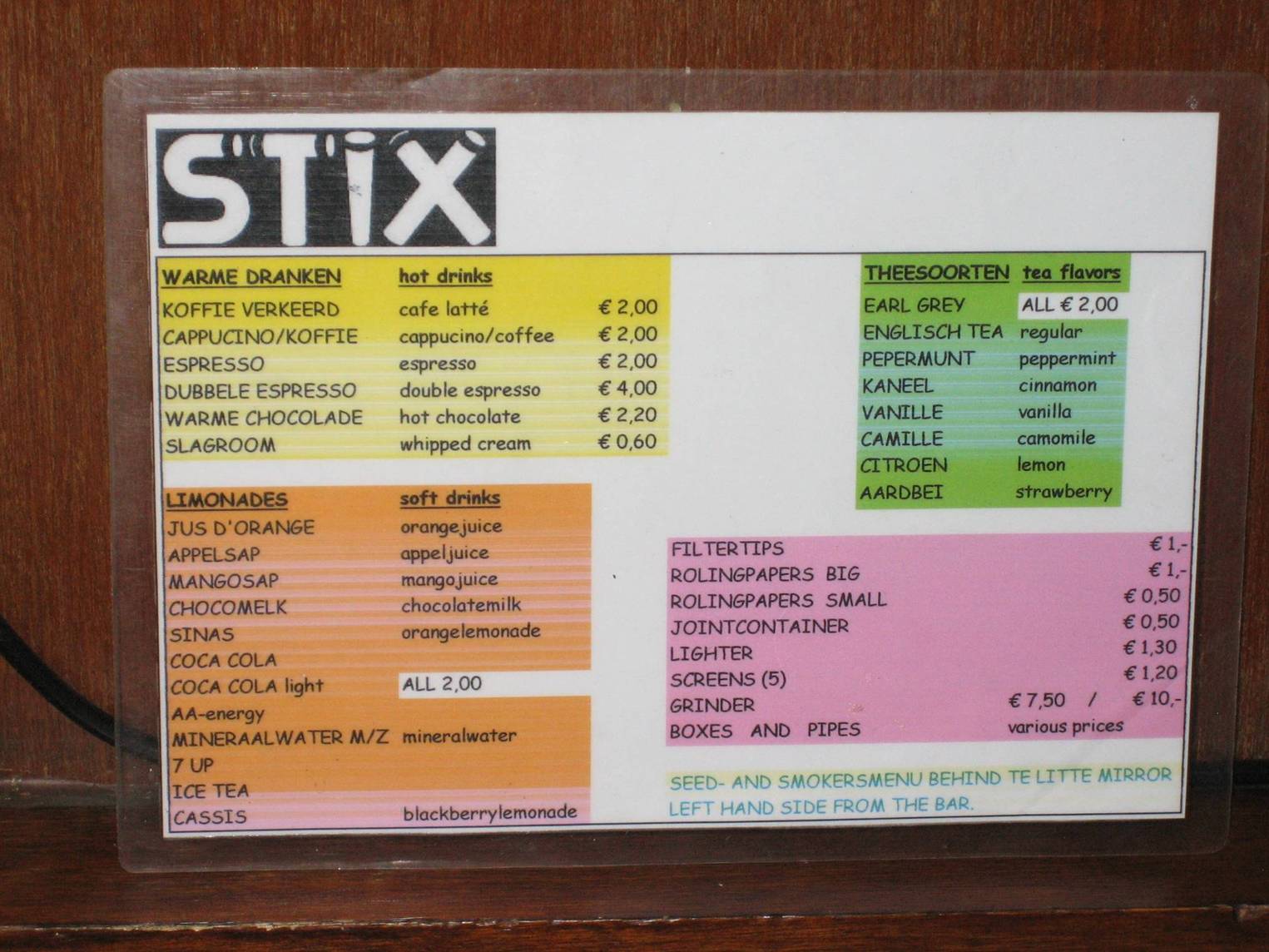
You have to be 18. The idea that consumption is “compulsory” cracks me up. But they’re not talking about drugs. You just have to buy something if you want to hang out in their store. Fair enough.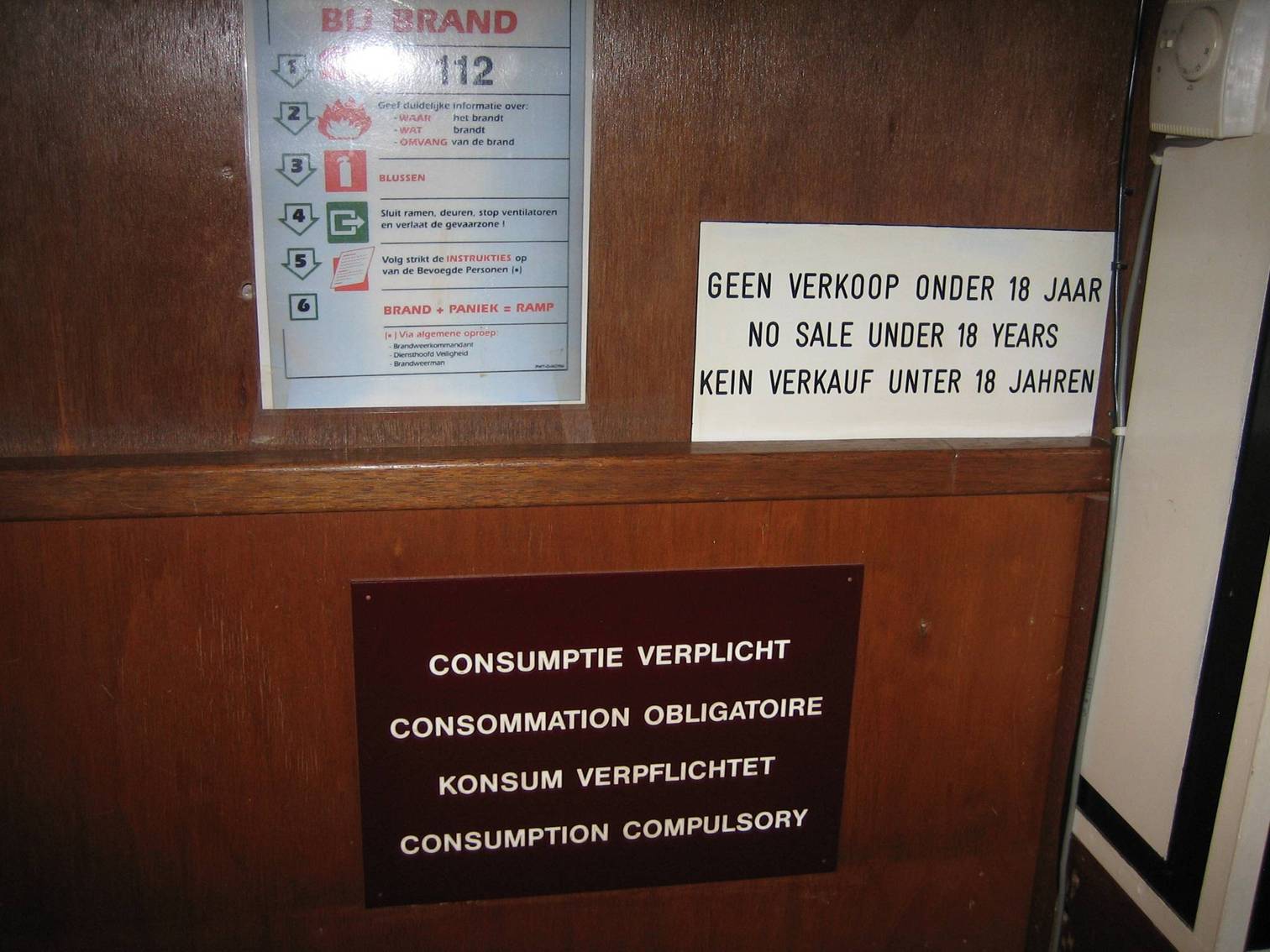
The drug menu is now behind a window that you have to press a button to see. I’m not certain why they made this rule. It’s not like people in a coffee shop don’t know they sell weed. But I’m always happy to see drug selling successfully regulated.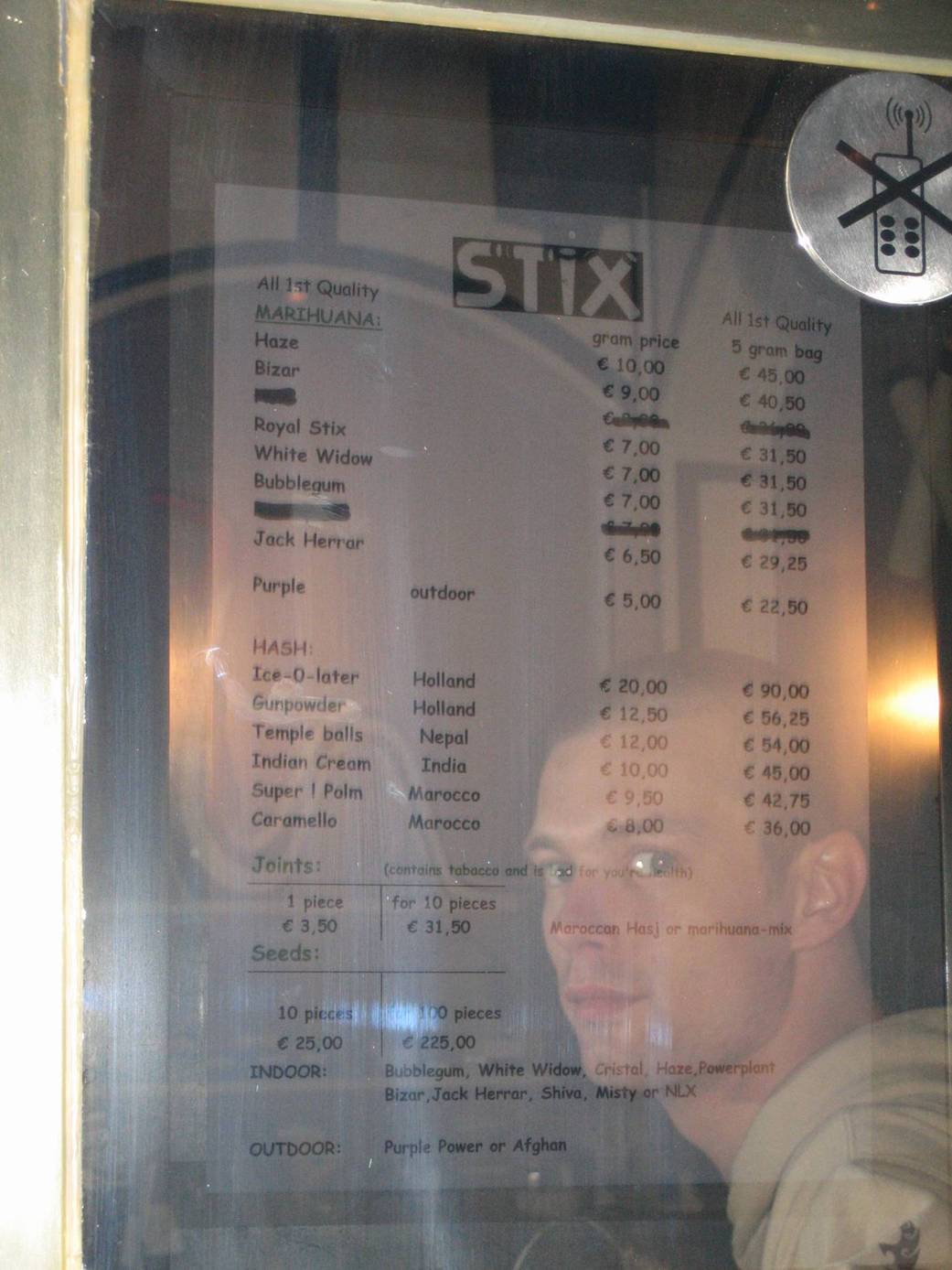
Here’s the money shot, as he weighs out some marijuana to sell.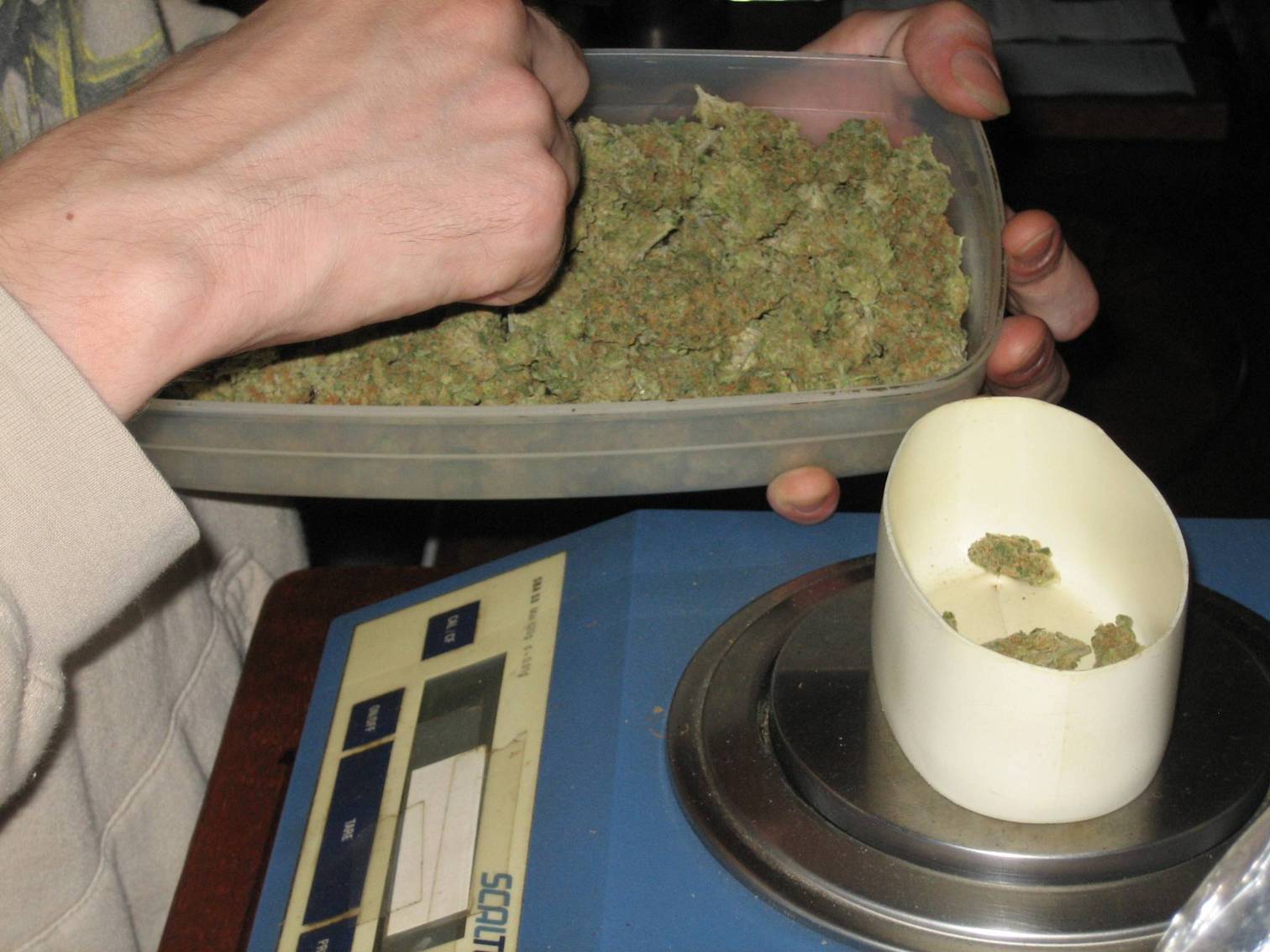
Many tourists don’t even know there are canals in the city until after they arrive in Amsterdam.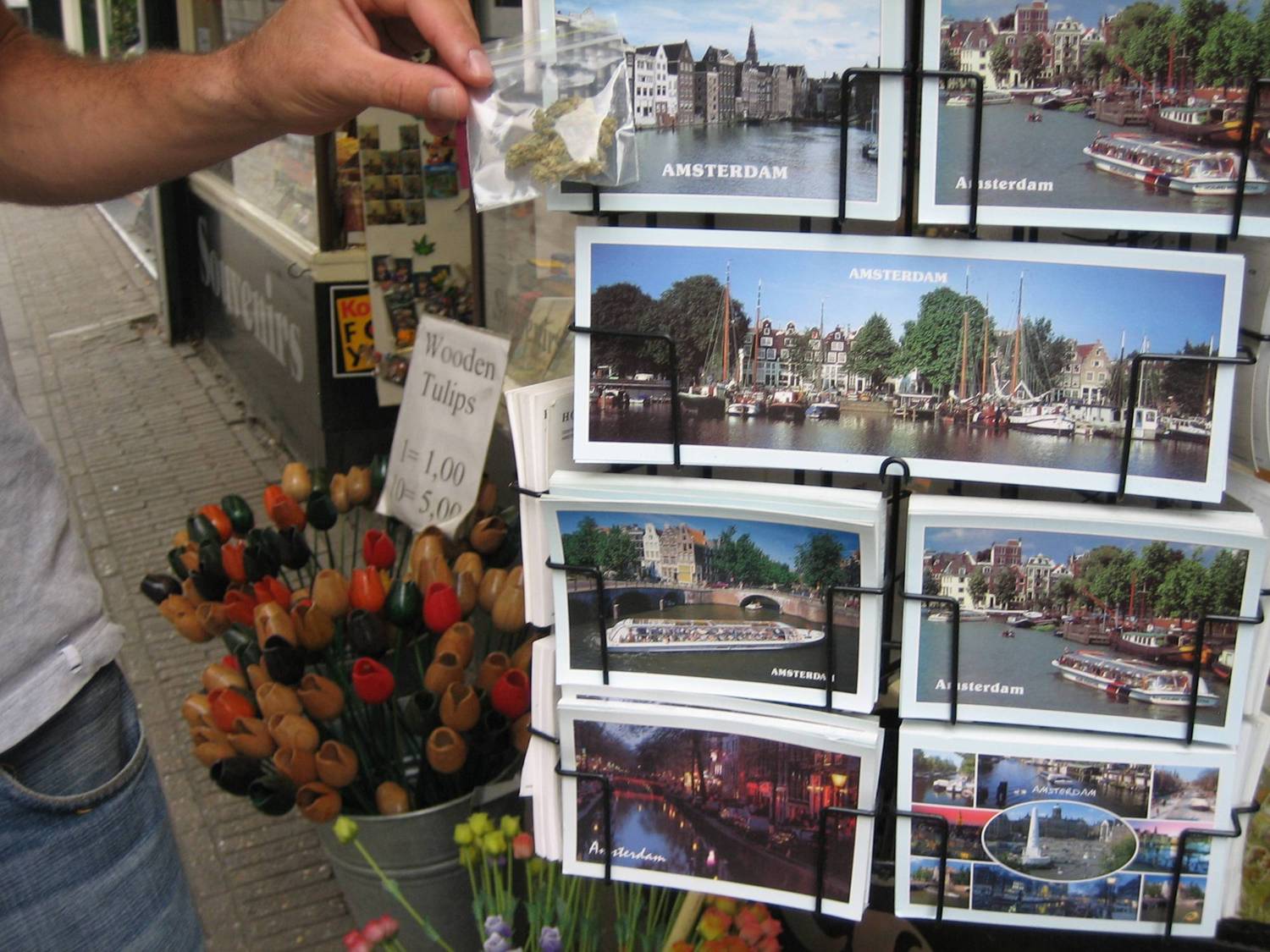
They also sell pre-rolled joints, mixed with tobacco. In Holland, smoking marijuana straight is considered a bit gauche. Hell, in Holland, smoking marijuana at all is considered a bit gauche.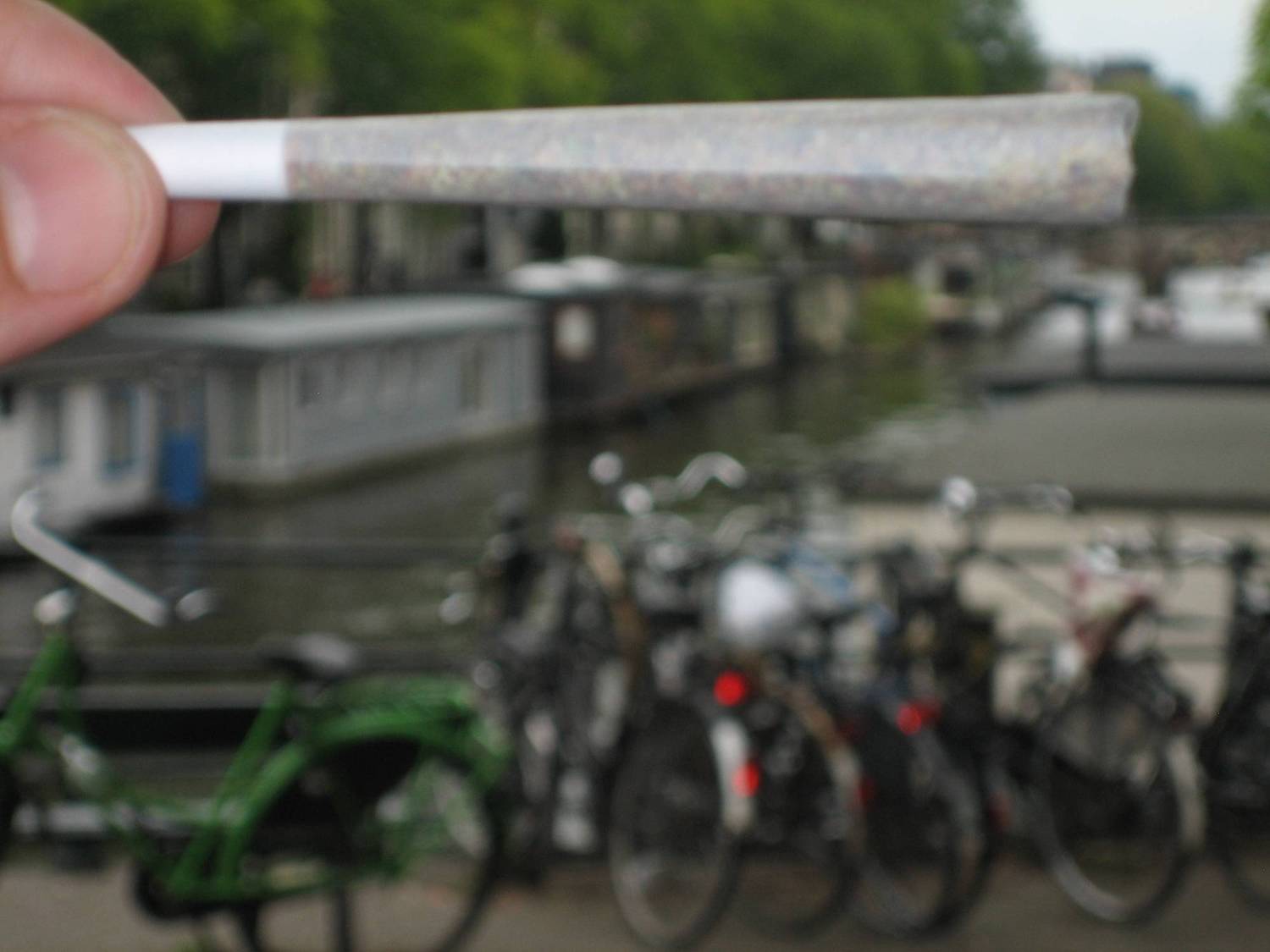
It’s that easy. So what’s the result? A nation of stoners? No. In fact, there are fewer marijuana smokers in Holland than there are in the United States. 37% of Americans have tried marijuana compared to 17% of people in the Netherlands. 5.4% of Americans admit to smoking in the past month compared to 3% of the Dutch (and I would imagine the Dutch would be more likely to admit it, since it’s not a crime). Heroin addiction is 1/3 in Holland. Incarceration rates are 1/7. The murder rate is 4 times higher in America. (the cites for these are in my book, Cop in the Hood, and also here.)Fewer drug users. Fewer addicts. Fewer prisoners. Fewer overdoses. Less violence. Less money spent on drug-related problems. No money spent on a “war on drugs.”
Could it work here? I don’t know. But why aren’t we even considering it?
-
Officer Pete says (rule 30):
Don’t ask police for a ride. Despite what we say, we couldgive you a ride. We just don’t want to.
-
Talk of the Nation on National Public Radio
I’ll be on Talk of the Nation today, after 2pm, Eastern Time.
-
Officer Pete says (rule 31):
No, I don’t “know how it is.” You’ll have to explain.
-
Adapt or die
I just got an email from an academy classmate of mine. One of the nicest things about writing Cop in the Hoodis that I hear from people I miss, but with whom I had lost touch.
So you know, I never left the Eastern District. I love patrol. I don’t know why, but I do. My beat is [***] post (the projects) and I seem to be the only officer who loves to walk foot in every project alleyway. Anyways, being a city police officer changed me… changed me ALOT! I even changed my hair cut style. Also, I am no longer shy or timid. I guess that’s what working the ghetto does to one person. It is like “adapt or die.” […] Anyways, I am working at this moment, but wanted to congrat you on your book and teaching. Oh, and a lot of our classmates were either fired or left to other agencies. Anyways, have a good one!
-
Regarding Sean Bell
Clearly something wrong happened because an innocent man was killed,” Peter Moskos, author of Cop in the Hood, and a professor at New York’s John Jay College of Criminal Justice, told TIME. “But that’s not what the system was testing. They were testing if there was reasonable doubt. I think the verdict is fair, but it doesn’t address that this man was killed. The court system is no place to address these problems.
The whole article is here.
The Sean Bell verdict came out at 3pm, Amsterdam time. At 5pm, I got a call on my temporary Amsterdam cell phone from Time Magazine (thanks to John Jay’s public relations and my quick thinking wife for getting my phone number to the reporter). It was an awkward interview, because 1) I don’t like talking on cell phones. And 2) I’m standing in a bar in the Leidseplein with a gypsy band busking outside. I felt a very long way away from the Queens Courthouse. I was very worried about failing to get my thoughts together and being misquoted on such a sensitive topic.
Madison Gray captured my words and thoughts perfectly (and he mentioned my book).